Homeowners Insurance Rates in Nashville, Tennessee: What Davidson County Residents Need to Know
Nashville has grown faster than almost any other major American city over the past decade, and with that growth has come a sharp rise in home values—and in the cost to insure them. Whether you own a craftsman bungalow in East Nashville, a newer build in Antioch, or a home near the Cumberland River in Germantown, the insurance landscape in Davidson County is shaped by a unique combination of severe weather history, flood geography, and a housing market that now regularly produces median sale prices above $450,000. This guide walks through what Nashville homeowners actually pay, why local risk factors push premiums higher than the national average, and what you can do to make sure your coverage keeps pace with your home's real replacement cost.
Average Homeowners Insurance Rates in Nashville and Tennessee
Nashville homeowners pay an average of $2,023 per year—or about $169 per month—for a policy with $300,000 in dwelling coverage, according to Policygenius data. That figure sits roughly 3% below the Tennessee statewide average of $2,095 per year, yet it remains about 15% higher than the national average of $1,754 per year for the same coverage level. Bankrate's 2024 analysis, which uses a slightly different methodology, places the Nashville average at $2,613 per year for $300,000 in dwelling coverage—the second highest of any major Tennessee city behind Memphis.
Across the state, Tennessee homeowners consistently pay more than the national baseline. Insurance.com's 2026 data shows Tennessee averaging $2,958 per year for $300,000 in dwelling coverage, which is about 16% above the national average of $2,543 for the same level of protection. For homeowners insuring at $400,000, the state average climbs to $3,700, and at $600,000 it reaches $5,174.
| Dwelling Coverage | Nashville Avg. (Annual) | Nashville Avg. (Monthly) | Tennessee State Avg. (Annual) | National Avg. (Annual) |
|---|---|---|---|---|
| $100,000 | $936 | $78 | — | — |
| $200,000 | $1,481 | $123 | $2,209 | $1,920 |
| $300,000 | $2,023–$2,613 | $169–$218 | $2,958 | $2,543 |
| $400,000 | $2,661 | $222 | $3,700 | $3,158 |
| $500,000 | $3,277 | $273 | — | — |
Sources: Policygenius (Nashville averages), Insurance.com (state and national averages, 2026 data). Nashville range reflects variation across major data sources using $1,000 deductible baseline.
The deductible you choose significantly influences your annual premium. Nashville policyholders who carry a $500 deductible pay an average of $2,777 per year, while moving to a $1,000 deductible brings the average down to $2,243, and a $2,000 deductible reduces it further to about $2,012 annually. For homeowners with a solid emergency fund, a higher deductible is often one of the most straightforward ways to control premium costs.
Nashville's Higher Home Values and What They Mean for Coverage
One of the most important reasons Nashville residents need to pay close attention to their dwelling coverage limit is the city's dramatic appreciation in home values over the past several years. As of mid-2024, the median sale price in Davidson County reached $530,000—well above the national median of roughly $366,000—according to housing market analysis from local real estate data. The Federal Reserve Bank of St. Louis's house price index for Davidson County has risen from an index value of 276 in 2021 to 360 in 2024, a gain of more than 30% in just three years.
This appreciation creates a common and costly gap in coverage. Homeowners who purchased a policy several years ago at a $300,000 dwelling limit may find that the actual cost to rebuild their home today—factoring in higher construction labor costs, supply chain pressures, and code upgrades—could easily exceed $400,000 or $500,000. The dwelling coverage on your policy should reflect what it would cost to rebuild the structure from the ground up, not just the market value of the property. For homes in neighborhoods like 12 South, Sylvan Park, Green Hills, and parts of East Nashville, where median sale prices regularly exceed $600,000 to $900,000, appropriate dwelling coverage may need to sit at the higher end of the range.
Families shopping for a Nashville home can find comprehensive market guidance at Your Home Sold Guaranteed Realty (Kings of Real Estate), whose agents work across the Davidson County market and can help buyers understand current home values neighborhood by neighborhood before they finalize a purchase and select coverage.
Nashville's Tornado History and Its Direct Impact on Premiums
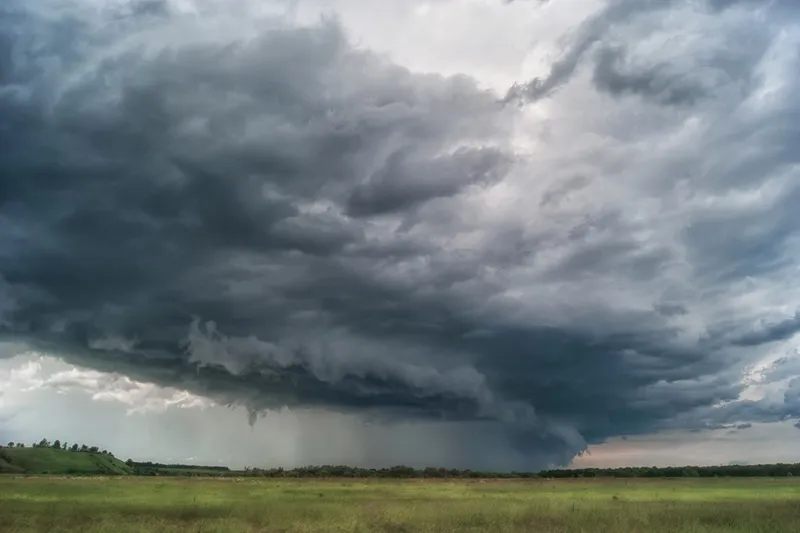
Middle Tennessee averages approximately 18 tornadoes per year, according to historical records compiled by the National Weather Service. Davidson County and its surrounding counties have experienced two particularly damaging events in recent years that have had a measurable impact on insurers' risk calculations for the Nashville metro area.
On March 3, 2020, an EF3 tornado cut a 60-mile path beginning in far western Davidson County and traveling through Germantown, Five Points in East Nashville, Donelson, and continuing into Wilson County and beyond. The tornado reached a maximum width of nearly a mile and caused $1.504 billion in damage—making it the sixth costliest tornado in U.S. history at the time, according to the Wikipedia entry on the 2020 outbreak. Five fatalities occurred, 220 people were injured, and widespread structural damage affected entire residential blocks in East Nashville, including the historic craftsman neighborhoods near Five Points that are now among the city's most sought-after addresses.
Less than four years later, on December 9, 2023, another significant outbreak struck the Nashville metro area. An EF2 tornado touched down in the Bellshire neighborhood of north Nashville, traveled through Madison, and continued into Hendersonville and Gallatin in Sumner County. The National Weather Service recorded 22 injuries in Davidson County from that tornado alone, along with 3 fatalities in Madison and along the path into Sumner County. According to Nashville.gov's official tornado recovery data, the December 2023 event affected 861 total properties across Davidson County—796 residential and 65 commercial—including 45 properties recorded as destroyed.
Insurance companies view these events not as isolated outliers but as indicators of ongoing, statistically significant risk. Carriers writing policies in Davidson County price that risk into premiums, which is a primary reason Nashville's rates consistently sit above both state and national averages despite not being in the worst-affected part of the traditional tornado corridor.
Hail, Severe Thunderstorms, and Year-Round Weather Risk
Tornado damage captures headlines, but hail is actually one of the most frequent drivers of homeowners insurance claims across the Nashville area. In 2023, Nashville and its surrounding areas recorded 59 confirmed ground-level hail events reported by trained weather spotters, with Doppler radar identifying hail signatures near the city on approximately 180 occasions throughout the year, according to data compiled by RestoreMasters from National Weather Service records. Severe weather warnings—covering both thunderstorm and tornado watches—are issued for Davidson County an average of 13 times per year based on two decades of NOAA data analyzed by Axios.
Hail damage typically affects roofs, gutters, siding, and HVAC equipment. A single hail event can generate repair bills of $10,000 to $30,000 or more for a standard single-family home, and filing multiple claims within a five-year window is one of the most significant factors that drives future premiums higher. Tennessee experiences approximately $154 million in annual hail-related losses, ranking the state eighth in the country by that measure.
Standard homeowners insurance policies in Tennessee cover wind and hail damage under the dwelling protection section of the policy. However, some carriers in high-risk counties have introduced separate wind and hail deductibles—often expressed as a percentage of the dwelling coverage amount rather than a flat dollar figure—which can significantly increase out-of-pocket costs after a major storm. Reviewing the deductible structure on your policy is particularly important for Nashville homeowners.
Flood Risk Along the Cumberland, Harpeth, and Stones Rivers
Standard homeowners insurance does not cover flood damage. This is a critical distinction for a significant number of Davidson County residents, given that three river systems—the Cumberland, the Harpeth, and the Stones River—run through or border the county, creating floodplain zones that affect thousands of properties.
The consequences of insufficient flood coverage became starkly visible during the May 2010 floods, when Nashville recorded up to 20 inches of rain over two days. The Cumberland River crested at over 51 feet and caused catastrophic damage across the city. At the time, according to a post-event analysis in Risk Management Magazine, fewer than 4,000 homes in all of Davidson County carried flood insurance—a fraction of the properties affected. Total insured and uninsured losses were ultimately estimated in the billions of dollars.
FEMA maintains Flood Insurance Rate Maps (FIRMs) for Davidson County that designate Special Flood Hazard Areas (SFHAs)—the zones with at least a 1% annual chance of flooding, equivalent to the 100-year floodplain. Properties inside an SFHA have a 26% chance of experiencing flooding during the life of a standard 30-year mortgage, according to Nashville Metro Water Services. Federally backed mortgage lenders are required to mandate flood insurance for homes in these zones.
Nashville's official flood risk information portal notes that all streams within Metro Nashville are subject to flooding and that properties outside the SFHA are not guaranteed to be flood-free. The 2010 event demonstrated that some areas well outside designated flood zones were inundated. Homeowners in any neighborhood adjacent to or downstream of the Cumberland, Stones, or Harpeth Rivers—including portions of Germantown, Pennington Bend, Whites Creek, Bellevue, and Antioch—should verify their flood zone designation and seriously consider National Flood Insurance Program (NFIP) coverage even if it is not required by their lender.
Flood insurance is purchased separately from a standard homeowners policy, typically through the NFIP or private flood carriers. Premiums vary based on flood zone designation, the elevation of the structure relative to the base flood elevation, and the amount of coverage selected. The U.S. Army Corps of Engineers maintains a system of reservoirs across the Cumberland River Basin specifically designed to reduce downstream flood risk in Nashville and Clarksville—but as the 2010 event showed, that system can be tested to its limits during extreme rainfall events.
Nashville ZIP Codes: How Location Shifts Your Premium
Within Davidson County itself, homeowners insurance rates vary meaningfully by ZIP code. Policygenius data shows a spread of more than $450 per year between the cheapest and most expensive Nashville ZIP codes for a $300,000 dwelling coverage policy.
| ZIP Code / Area | Avg. Annual Premium | vs. State Average |
|---|---|---|
| 37215 (Green Hills / Oak Hill) | $1,804 | −14% |
| 37221 (Bellevue) | $1,834 | −12% |
| 37211 (Antioch / Brentwood border) | $1,875 | −11% |
| 37212 (Hillsboro Village / Vanderbilt) | $1,904 | −9% |
| 37209 (West Nashville / Charlotte Pike) | $1,908 | −9% |
| 37206 (East Nashville) | $2,057 | −2% |
| 37207 (North Nashville) | $2,103 | 0% |
| 37208 (Germantown / Buena Vista) | $2,077 | −1% |
| 37219 (Downtown core) | $2,175 | +4% |
| 37213 (Shelby Hills / East of Downtown) | $2,281 | +9% |
Source: Policygenius, Nashville ZIP code rate analysis, $300,000 dwelling coverage, $1,000 deductible baseline.
Several factors explain these differences. ZIP codes that include areas in or near floodplains—such as parts of North Nashville near the Cumberland and areas east of downtown—carry higher base rates. Neighborhoods that experienced direct tornado damage in 2020 or 2023 have seen claims frequency data updated in insurers' models. Home age is also a significant variable: the historic 1920s–1940s craftsman and bungalow stock concentrated in East Nashville (37206), Edgefield, and parts of Germantown can carry higher premiums than newer construction because older plumbing, electrical systems, and roofing materials are more expensive to repair or replace to current code. By contrast, newer subdivisions in Antioch (37211) and Bellevue (37221) often benefit from modern construction standards, updated electrical panels, and closer proximity to fire stations.
Other Factors That Affect Your Nashville Premium
Beyond location and coverage amount, Nashville insurers weigh a range of property-level and personal factors when setting premiums.
Home age and construction: Older homes in East Nashville, Germantown, and the Nations may require endorsements or higher base rates to account for knob-and-tube or aluminum wiring, galvanized plumbing, and aging roof structures. A home built before 1980 without documented system upgrades is typically more expensive to insure than a comparable newer structure.
Roof condition and materials: Nashville's frequent hail events make roof age one of the highest-scrutiny items on a home inspection and insurance application. Most carriers discount premiums for impact-resistant roofing materials, and many will require a recent roof inspection for homes over 15–20 years old before binding coverage.
Security systems and protective devices: Monitored burglar and fire alarm systems typically qualify for premium discounts of 5–15% depending on the carrier. Given Nashville's status as a growing urban center with elevated property crime rates in some neighborhoods, a monitored security system is both a practical safety measure and a meaningful cost management tool.
Claims history: Nashville homeowners with three claims within a five-year period can expect dramatically higher premiums. Policygenius data shows that insurers who quote around $1,600–$2,000 for a clean-record Nashville homeowner may price a similar profile with three claims at $2,400–$3,700 or more annually. Documenting smaller repairs out of pocket before they reach the threshold where a claim is clearly warranted is worth discussing with your agent.
Nashville's growth and rising replacement costs: The city's sustained population growth—driven by in-migration from across the country and a strong job market—has placed pressure on construction labor and materials throughout the region. This directly affects what insurers call the replacement cost value of a home. If your dwelling coverage was set at purchase several years ago and has not been updated through an inflation guard endorsement or a fresh replacement cost estimate, you may be significantly underinsured even without any changes to the home itself.
Common Homeowners Insurance Claims in Nashville
Understanding which claims are most frequent helps homeowners match their coverage to their actual risk profile. In the Nashville area, the most common claim types include:
- Wind and tornado damage: Roof loss, structural damage, and debris impact from tornado and straight-line wind events are the largest driver of catastrophic claims in Davidson County. Both the 2020 and 2023 tornado outbreaks generated thousands of claims in the Nashville area alone.
- Hail damage: Roof, gutter, and siding damage from hail is among the most frequent non-catastrophic claim types. Nashville recorded roughly 60 confirmed hail events in 2023.
- Water damage (non-flood): Burst pipes, appliance leaks, and water intrusion through storm-damaged roofs are covered under standard policies. Damage from flooding, however, is not—this distinction is critically important for Nashville homeowners near any of the county's river systems.
- Theft and vandalism: As an urban center with diverse neighborhood profiles, Nashville sees elevated theft claim rates in some areas compared to rural Tennessee communities. Personal property coverage and optional scheduled endorsements for high-value items (jewelry, electronics, musical instruments—particularly relevant in Music City) are worth reviewing.
- Winter storm damage: The Tennessee Department of Commerce and Insurance (TDCI) has issued repeated guidance following winter storms, noting that ice accumulation on roofs, burst pipes from frozen plumbing, and wind-driven damage are all typically covered under standard homeowners policies. The February 2026 ice storm generated a significant volume of claims across Middle Tennessee.
About All Seasons Insurance Group
All Seasons Insurance Group (ASIG) is an independent insurance agency serving homeowners across Tennessee. Operating since 2021 and headquartered in Sevierville with offices in Knoxville and the surrounding region, ASIG works with multiple insurance carriers to help homeowners find coverage that reflects both their budget and their actual exposure to risk. As an independent agency, ASIG agents are not tied to a single carrier's product lineup—they can compare options across insurers to identify the policy that most accurately prices the specific risks of a given home, location, and homeowner profile.
For Nashville and Davidson County homeowners, that means working with an agent who understands the local dynamics: the tornado history, the flood zone map, the neighborhood-by-neighborhood differences in claims frequency, and the impact of rising replacement costs on how much dwelling coverage is actually appropriate. Home insurance is not a set-it-and-forget-it purchase, particularly in a market where home values and construction costs have moved as rapidly as they have across Middle Tennessee over the past five years.
More information about ASIG's home insurance options is available at asigtn.com.
Frequently Asked Questions
What is the average cost of homeowners insurance in Nashville, Tennessee?
Nashville homeowners pay an average of $2,023 to $2,613 per year for a policy with $300,000 in dwelling coverage, depending on the data source and methodology used. This works out to roughly $169 to $218 per month. Nashville's average is approximately 15% above the national average of $1,754 to $2,543 (varying by source) for the same coverage level, driven primarily by the region's tornado risk, severe weather frequency, and flood exposure near major river systems in Davidson County.
Does standard homeowners insurance cover tornado and hail damage in Nashville?
Yes. Standard homeowners insurance policies in Tennessee cover tornado and wind damage to the dwelling structure, personal property, and detached structures such as garages and fences. Hail damage to the roof, siding, and gutters is also covered under the windstorm or wind-and-hail provision of a standard policy. However, some carriers in high-risk areas have begun writing separate wind and hail deductibles—expressed as a percentage of the dwelling coverage amount—rather than a flat dollar deductible. Reviewing your deductible structure with your agent before a storm occurs is important, as a percentage-based deductible on a $400,000 home can mean $8,000 to $16,000 in out-of-pocket costs before insurance coverage begins.
Is flood insurance required for Nashville homeowners, and how do I know if I am in a flood zone?
Flood insurance is required by federally backed lenders for homes located in designated Special Flood Hazard Areas (SFHAs) on FEMA's Flood Insurance Rate Maps for Davidson County. Homes in SFHAs have at least a 26% chance of flooding over a 30-year mortgage. Homeowners can check their flood zone designation using the parcel viewer at Nashville.gov by selecting the FEMA Flood Hazard Areas map layer, or directly through the FEMA Flood Map Service Center at msc.fema.gov. Critically, properties outside the SFHA are not immune to flooding—the 2010 Nashville flood demonstrated that many homes in areas not designated high-risk still experienced significant flood damage. Separate flood insurance through the National Flood Insurance Program (NFIP) or a private carrier can be purchased by any homeowner regardless of flood zone designation.
How do Nashville's higher home values affect how much dwelling coverage I need?
Dwelling coverage should reflect the cost to rebuild your home from the ground up—not its market value or purchase price. In Nashville, where the Davidson County median sale price reached approximately $530,000 by mid-2024 and construction costs have risen sharply since 2020, many homeowners who set their dwelling limit several years ago may now be significantly underinsured. A $300,000 dwelling policy that was adequate in 2019 may not cover full reconstruction of a home that would now cost $400,000 to $500,000 or more to rebuild with current materials and labor. Ask your insurance agent to run an updated replacement cost estimate on your home, particularly if you have not reviewed coverage limits within the past two to three years.
What are the cheapest and most expensive Nashville ZIP codes for homeowners insurance?
Based on Policygenius data for $300,000 in dwelling coverage, the most affordable Nashville ZIP codes for homeowners insurance include 37215 (Green Hills and Oak Hill area) at an average of $1,804 per year, 37221 (Bellevue) at $1,834 per year, and 37211 (southern Nashville near the Antioch border) at $1,875 per year. The most expensive ZIP codes include 37213 (east of downtown) at $2,281 per year, 37240 at $2,244 per year, and 37219 (downtown core) at $2,175 per year. ZIP codes near floodplains, with higher rates of older housing stock, or in areas with documented tornado damage history tend to carry above-average premiums.
About the Author
All Seasons Insurance Group is a locally owned, independent insurance agency proudly serving Tennessee families and businesses since 2021. Founded by Tannor Giles and Preston Stewart, our licensed team is committed to finding the best coverage at competitive rates — because as an independent agency, we shop multiple carriers on your behalf to get you the right policy, not just the cheapest one.
With offices in Sevierville (1001 Parkway) and Knoxville (121 Suburban Rd), we specialize in home, auto, business, farm, renters, and investment property insurance across East Tennessee — from the Smoky Mountains to Nashville.
Ready to review your coverage? Call us at (865) 263-1400 or get a free quote online.
Seasons change. So should your coverage.