What Knoxville Homeowners Need to Know About Insurance in 2026
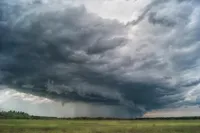
Knoxville sits at the intersection of the Tennessee Valley and the foothills of the Great Smoky Mountains — a beautiful place to own a home, but one with specific insurance considerations that many homeowners overlook. From severe thunderstorms and occasional tornado risk to flood-prone areas along the Tennessee River and its tributaries, Knoxville's geography shapes your insurance needs in ways that generic online guides don't address.
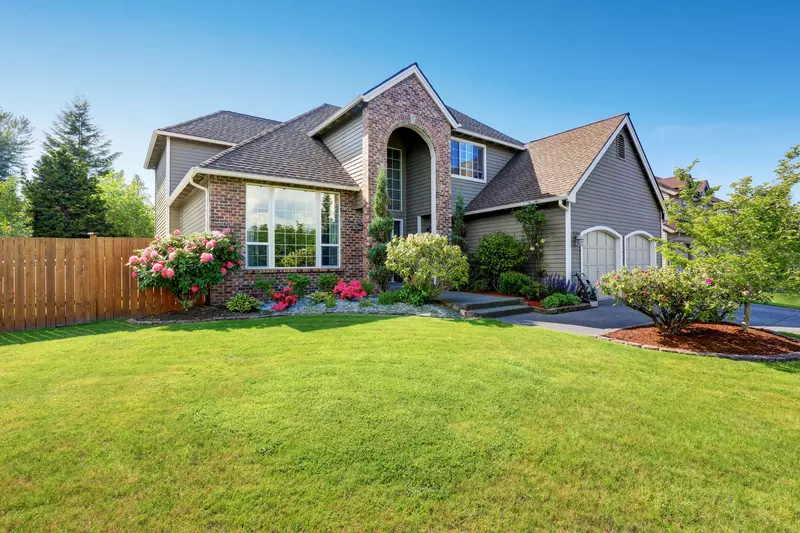
Whether you're buying your first home in West Knoxville, settling into a historic Craftsman in Fourth and Gill, or closing on a new build in Farragut, this guide covers the real numbers, the actual risks, and the coverage decisions that matter most in 2026.
Average Homeowners Insurance Costs in Knoxville
The average annual homeowners insurance premium in Knoxville ranges from $1,800 to $2,400 for a standard HO-3 policy on a median-value home (approximately $320,000 in Knox County as of early 2026). However, your actual rate depends on several factors that can push premiums significantly above or below that range.
Key cost factors for Knoxville homes:
- Home value and rebuild cost: A $200,000 home costs less to insure than a $500,000 home. Insurers calculate the cost to rebuild (not the market value), which depends on square footage, construction materials, and current labor and material costs.
- Year built: Homes built before 1980 often cost 15–25% more to insure due to older electrical systems, plumbing, and roofing. A 1920s home in North Knoxville may cost significantly more than a 2020 build in Hardin Valley.
- Roof age and material: Roofs over 15 years old trigger higher premiums or reduced coverage. Architectural shingle roofs (standard in Knoxville construction) are rated differently than metal, slate, or flat roofs.
- Distance to fire station: Rural areas of Knox County farther from fire stations may face higher premiums. Homes within 5 miles of a rated fire department and within 1,000 feet of a fire hydrant get the best rates.
- Claims history: Both your personal claims history and the property's claims history (the CLUE report) affect pricing for 5–7 years.
- Deductible choice: Increasing your deductible from $1,000 to $2,500 can reduce premiums by 10–20%. A $5,000 deductible offers even more savings but means more out-of-pocket risk.
Knoxville's Top Insurance Risks by Neighborhood
Not all Knoxville neighborhoods face the same hazards. Understanding your specific location's risk profile helps you get the right coverage — and avoid paying for risks you don't have.
South Knoxville and Island Home
Properties along the Tennessee River and in the Island Home neighborhood face the highest flood risk in Knoxville. Standard homeowners insurance does not cover flood damage. If you're in a FEMA-designated Special Flood Hazard Area (Zone AE or A), your lender will require a separate flood insurance policy. Even outside designated zones, consider it — 25% of flood claims nationally come from outside high-risk zones. The Tennessee River crested above flood stage as recently as 2019.
West Knoxville, Bearden, and Farragut
These neighborhoods face lower flood risk but are exposed to severe thunderstorms and wind damage — the most common homeowners insurance claim in Knox County. Hail can damage roofs, siding, and vehicles. West Knoxville and Farragut have newer housing stock, which generally qualifies for better insurance rates. Many homes in these areas have impact-resistant shingles that earn premium discounts.
North Knoxville and Fountain City
Older homes in these established neighborhoods — many built between 1940 and 1970 — face higher insurance costs due to aging electrical systems (knob-and-tube wiring in some properties), older plumbing (galvanized pipes), and original roofing. If you're buying or own a home here, budgeting for electrical and plumbing updates will lower your premiums and reduce risk. These neighborhoods also have mature trees that can cause wind damage during storms.
Hardin Valley and Karns
Rapid development in these western Knox County communities means newer homes with modern building codes — generally the lowest insurance costs in the Knoxville area. However, new subdivisions sometimes have grading and drainage issues that create localized flooding risk until landscaping matures. Ask about drainage patterns before assuming flood insurance isn't needed.
Downtown and Old City
Historic properties in downtown Knoxville and the Old City district have unique insurance needs. Replacement cost coverage must account for historic materials and specialized labor. Standard policies may not adequately cover the cost of replacing original hardwood floors, plaster walls, or period-appropriate trim. Consider a guaranteed replacement cost endorsement or a specialized historic home policy.
What Standard Knoxville Homeowners Insurance Covers
A standard HO-3 policy — the most common in Knoxville — covers:
- Dwelling coverage (Coverage A): The structure of your home — walls, roof, built-in appliances, attached garage. This should equal the full rebuild cost (not the purchase price or market value).
- Other structures (Coverage B): Detached garage, shed, fence, deck. Usually 10% of dwelling coverage.
- Personal property (Coverage C): Furniture, electronics, clothing, appliances. Usually 50–70% of dwelling coverage. Check for sub-limits on jewelry, firearms, and collectibles.
- Loss of use (Coverage D): Additional living expenses if your home is uninhabitable — hotel costs, temporary rent, meals above normal costs.
- Personal liability (Coverage E): Legal and medical costs if someone is injured on your property. Standard $100,000 — consider increasing to $300,000 or $500,000.
- Medical payments (Coverage F): Minor medical costs for guests injured on your property, regardless of fault. Standard $1,000–$5,000.
Coverage Gaps Knoxville Homeowners Often Miss
Standard policies have specific exclusions that catch homeowners off guard:
- Flood damage: Not covered. Period. Buy a separate flood policy through NFIP or a private carrier, especially if you're anywhere near waterways.
- Earthquake damage: While East Tennessee sits in a seismic zone (the Eastern Tennessee Seismic Zone is real), earthquake coverage is not standard. It's an affordable add-on worth considering.
- Sewer and water backup: Knoxville's older infrastructure means sewer backups happen. This endorsement typically adds $50–$100/year and covers $10,000–$25,000 in damage.
- Home office equipment: Standard policies limit business property to $2,500. If you work remotely, consider a home business endorsement.
- Landscaping: Standard coverage for trees, shrubs, and landscaping is limited to $500 per item and 5% of dwelling coverage total. Knoxville's mature landscapes can cost thousands to replace after storm damage.
How to Get the Best Homeowners Insurance Rate in Knoxville
Saving on insurance isn't just about finding the cheapest policy — it's about getting the right coverage at a competitive price. Here are proven strategies for Knoxville homeowners:
- Bundle with auto insurance: Most carriers offer 10–25% discounts when you bundle home and auto. In Knox County, this typically saves $300–$600 per year.
- Install security systems: Monitored alarm systems earn 5–15% discounts. Smart home devices (water leak sensors, smart smoke detectors) are gaining recognition from carriers.
- Upgrade your roof: An impact-resistant roof (Class 4 shingles) can reduce premiums by 10–28% in wind/hail-prone areas. Given Knoxville's storm exposure, this is one of the highest-return improvements.
- Raise your deductible strategically: Moving from a $1,000 to a $2,500 deductible saves 10–20% annually. Set aside the deductible amount in savings so you're prepared if a claim occurs.
- Work with an independent agent: Captive agents (State Farm, Allstate) represent one company. Independent agents compare quotes from multiple carriers. All Seasons Insurance Group compares rates across multiple carriers to find the best combination of coverage and price for your specific Knoxville home.
Why an Independent Insurance Agent Matters
The Knoxville insurance market has shifted dramatically since 2023. Several national carriers have tightened underwriting in Tennessee due to severe weather claims, and some have stopped writing new policies in certain zip codes. An independent agent like All Seasons Insurance Group works with multiple carriers and can find coverage even when one company says no.
All Seasons Insurance Group serves homeowners across Knoxville and East Tennessee with personalized coverage reviews and competitive multi-carrier quotes. Because seasons change — and so should your coverage. Call (865) 263-1400 for a free coverage review.
Frequently Asked Questions
How much is homeowners insurance in Knoxville, Tennessee?
The average Knoxville homeowner pays $1,800–$2,400 per year for a standard HO-3 policy on a median-value home ($320,000). Your specific rate depends on your home's age, roof condition, location, claims history, and chosen deductible. Older homes in North Knoxville may pay 20–30% more than new construction in Hardin Valley.
Do I need flood insurance in Knoxville?
If your home is in a FEMA-designated Special Flood Hazard Area (common in South Knoxville and along the Tennessee River), your lender will require it. Even outside designated zones, flood insurance is recommended — a separate policy through NFIP costs $400–$800 per year for most Knoxville properties and covers damage that your standard homeowners policy explicitly excludes.
What is the most common insurance claim in Knoxville?
Wind and hail damage is the most frequently filed homeowners claim in Knox County. Tennessee averages 15–20 significant hail events per year, and Knoxville's position in the Tennessee Valley makes it susceptible to strong thunderstorms from March through September. Roof damage, broken windows, and damaged siding account for the majority of claims.
How often should I review my Knoxville homeowners insurance?
Review your policy annually and after any major home improvement. Knoxville's rebuild costs have increased 15–20% since 2020, and many homeowners are underinsured without realizing it. An annual review with an independent agent ensures your dwelling coverage reflects current rebuild costs and that you're taking advantage of all available discounts.
Does homeowners insurance cover tornado damage in Knoxville?
Yes. Standard HO-3 policies cover wind damage, which includes tornadoes. Knoxville is in a moderate tornado risk zone — while not part of "Tornado Alley," East Tennessee experiences 10–15 tornadoes per year across the region. Ensure your policy has adequate dwelling coverage to fully rebuild, and consider actual cash value vs. replacement cost for personal property.