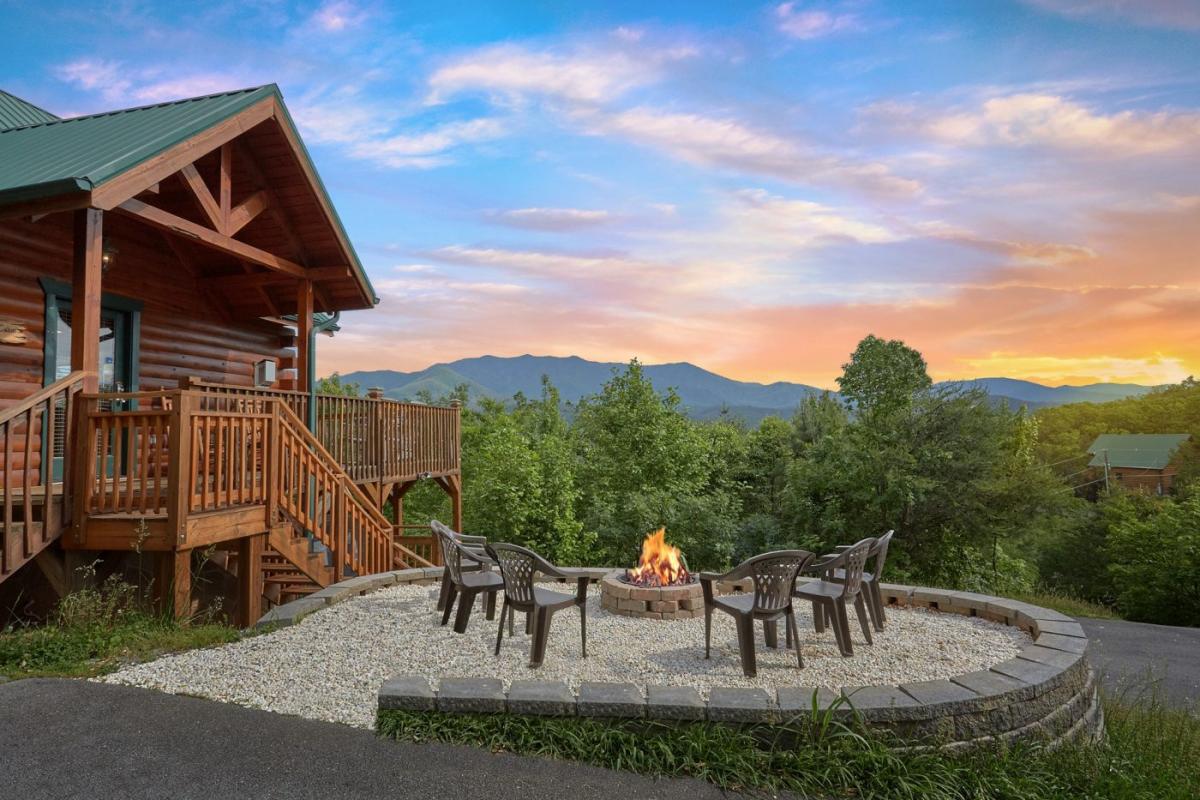
Landlord and Vacation Rental Insurance in Gatlinburg TN
Gatlinburg sits at the entrance to Great Smoky Mountains National Park and operates one of the densest short-term rental markets in the United States—more than 6,000 active listings for a town of fewer than 4,000 permanent residents. If you own a cabin or rental property in Sevier County, standard homeowners insurance leaves you exposed in ways that can end your investment. This guide covers the policy types, coverage gaps, wildfire risks, and local regulatory requirements every East Tennessee property owner needs to understand before the next guest checks in.
Why Standard Insurance Falls Short for Gatlinburg Rental Cabins
Most homeowners insurance policies are written specifically for owner-occupied dwellings. When you rent your property to paying guests—even occasionally through Airbnb or Vrbo—the coverage landscape changes entirely. Standard HO-3 policies typically exclude guest-related liability claims and deny loss-of-income reimbursement for rental revenue. Platforms like Airbnb offer limited host protection programs, but these are not insurance policies and carry significant exclusions around property damage, theft, and off-premises liability.
The Gatlinburg market makes this gap expensive. According to StaySTRA's 2026 market report, the average Gatlinburg STR listing generates $4,685 per month in revenue, with peak months like July reaching $6,618. A policy that fails at the moment of a claim does not just cost you repair money—it costs you weeks or months of that income while your cabin sits vacant.
DP-1, DP-3, and Commercial Policies: Which One Fits Your Cabin?
The three primary policy structures for rental property owners in East Tennessee are the DP-1 dwelling policy, the DP-3 dwelling policy, and a commercial short-term rental policy. Each represents a meaningfully different level of protection.
| Feature | DP-1 (Basic) | DP-3 (Special) | Commercial STR Policy |
|---|---|---|---|
| Covered perils | 9 named perils only (fire, windstorm, lightning, etc.) | Open perils (all causes except listed exclusions) | Open perils + business-specific risks |
| Dwelling valuation | Actual cash value (depreciated) | Replacement cost value | Replacement cost value |
| Personal property | Not included | Included for owner property | Business personal property included |
| Rental income coverage | Not included | Fair rental value (area average) | Actual loss sustained (your real bookings) |
| Liability coverage | Optional (premises only) | Optional (premises only) | Commercial General Liability (on and off premises) |
| Guest-caused damage | Very limited | Limited; intentional acts excluded | Generally included with proper endorsement |
| Vandalism and theft | Not covered | Covered | Covered |
| Best suited for | Vacant or minimally used properties | Long-term and mid-term rental cabins | Active short-term vacation rentals |
For most Gatlinburg cabin owners who actively list on booking platforms, a DP-3 represents the minimum responsible coverage. The open-perils structure of a DP-3 is particularly important in the Smokies, where weather, guest activity, and fire risk create loss scenarios that named-peril policies may not cover. Active STR operators generating significant annual income should discuss a commercial policy with their agent, particularly for cabins that sleep large groups or produce revenue above $60,000 annually.
One critical limitation of DP-3 fair rental value coverage: it calculates reimbursement based on what comparable properties in the area rent for on a long-term basis—not your actual nightly booking rate. During peak foliage season in October, when Gatlinburg cabins command average daily rates of over $300 and occupancy hits 77%, a fair rental value calculation can dramatically understate your real income loss. Commercial actual loss sustained coverage avoids this problem by reimbursing documented booking revenue.
The 2016 Wildfire: A Turning Point for Sevier County Insurance
No discussion of Gatlinburg rental property insurance is complete without the November 2016 wildfires. A wind-driven fire swept out of the national park on November 28, burning more than 17,136 acres, destroying or damaging 2,460 structures, and killing 14 people. According to The Voss Law Firm's summary of insurance data, insurers received more than 2,866 paid claims and paid out nearly $800 million—with combined residential and commercial losses approaching $1 billion.
The fire reshaped how carriers price and underwrite mountain cabin policies in East Tennessee. Wildfire risk is now a standard underwriting consideration for Sevier County properties. For cabin owners, several insurance implications follow:
- Replacement cost coverage matters more than ever. Post-fire construction demand drove contractor costs sharply higher. A DP-1 policy paying actual cash value on a depreciated log cabin may leave a significant gap between the payout and what it actually costs to rebuild.
- Some carriers restrict or exclude wildfire coverage in high-risk zones. Working with an independent agent who has access to multiple carriers is essential for finding competitive coverage without hidden wildfire exclusions.
- Defensible space and property preparation can affect both your insurability and your premium. Keeping vegetation cleared around structures, maintaining metal roofing where possible, and installing spark arrestors on chimneys are practical steps that carriers acknowledge in the underwriting process.
- Flood coverage requires a separate policy. Wildfire events alter hydrology and can increase flood risk in subsequent seasons. Standard dwelling and landlord policies exclude flood; coverage is available through the National Flood Insurance Program (NFIP) or private flood carriers.
Guest Liability: The Coverage Gap Most Cabin Owners Miss
When a guest slips on your cabin's deck, falls on a steep mountain path on the property, or is injured in a hot tub or game room, the liability claim lands on you as the property owner. Liability protection for vacation rental owners in Gatlinburg needs to be substantial—the Smokies attract guests unfamiliar with mountain terrain, and cabins with amenities like hot tubs, fire pits, ATV trails, and elevated decks carry higher injury risk than a standard apartment.
DP-3 policies include optional premises liability coverage, but the protection typically extends only to incidents that occur on the physical property. Commercial General Liability (CGL) coverage, which comes standard with commercial STR policies, extends broader protection and typically carries limits of $1 million per occurrence or higher. For cabins that regularly host large groups—bachelor parties, family reunions, corporate retreats—adequate liability limits are non-negotiable.
East Tennessee real estate professionals, including the team at Kings of Real Estate, one of the most active buyer's and seller's agencies in the region, consistently advise STR investors to nail down insurance before the first booking. The liability exposure of an active vacation rental is categorically different from a standard long-term lease, and many first-time cabin investors are surprised to learn that their existing homeowners policy provides no protection the moment a paying guest walks through the door.
Loss of Rental Income Coverage: Protecting Your Revenue Stream
If a covered loss—fire, windstorm, burst pipe—makes your cabin uninhabitable, loss of rental income coverage reimburses the bookings you cannot fulfill during the repair period. For Gatlinburg cabin owners, this coverage is not optional math. The average listing generates $56,220 in annual revenue per StaySTRA data, and a major structural repair in a high-demand mountain market can take months, particularly when contractors are in short supply after a widespread event.
Key points to confirm with your agent before you bind coverage:
- Does the policy use fair rental value or actual loss sustained? For active STRs, actual loss sustained more accurately reflects your true exposure.
- Is there a waiting period before coverage begins? Most policies have a 48-to-72-hour deductible period after a qualifying loss.
- What is the maximum coverage period? Standard policies cap at 12 months; longer repair timelines may require a higher limit or an endorsement.
- Does the income calculation reflect nightly rates, or is it based on local long-term rental comparables? The difference can be several thousand dollars per month during peak season.
Sevier County STR Permit Requirements and Insurance Implications
Beginning January 1, 2024, all short-term rental units in Sevier County outside of incorporated city limits are required to obtain an annual permit through the Sevier County Short-Term Rental Unit Inspection Program. The program mandates annual inspections covering fire safety, smoke and carbon monoxide alarms, electrical systems, escape routes, and heating and cooling systems. Properties must also have a 2A10BC fire extinguisher installed on each level.
For large cabins built after February 1, 2016, that are more than three stories above grade, exceed 5,000 square feet, or sleep 13 or more guests, state fire suppression system requirements apply. The City of Gatlinburg, the City of Pigeon Forge, and Pittman Center each have their own parallel permit and inspection programs for properties within their corporate limits.
While the permit program does not currently mandate a specific insurance policy by name, the practical intersection is significant: a cabin that fails inspection and loses its operating permit can no longer legally generate rental income—which means your loss-of-income coverage would not apply because the property is not uninhabitable due to a covered physical loss. Maintaining permit compliance and maintaining active insurance coverage are parallel responsibilities, not interchangeable ones.
Flood and Wildfire Endorsements: Filling the Gaps
Standard DP-3 and commercial STR policies exclude two of the most relevant hazards for Sevier County mountain properties: flood and earthquake. Wildfire itself is a covered peril under most dwelling forms, but smoke damage from a wildfire that originates outside your property and flood damage from storm-driven runoff require separate attention.
Flood insurance is available through the National Flood Insurance Program (NFIP) or through private carriers that may offer higher limits and broader coverage than the federal program. Given that wildfire-scarred terrain can dramatically alter drainage patterns and amplify flood risk in subsequent rain events, flood coverage is worth evaluating even if your property is not in a mapped Special Flood Hazard Area.
Some carriers also offer equipment breakdown endorsements, which cover sudden mechanical failure of HVAC systems, hot tubs, and other guest amenities—items that are expensive to replace and directly affect your rental income if they fail mid-booking.
About All Seasons Insurance Group
All Seasons Insurance Group is an independent insurance agency based in Sevierville, Tennessee, serving property owners, families, and businesses throughout East Tennessee. With offices at 1001 Parkway in Sevierville and 121 Suburban Road in Knoxville, the agency works with a panel of carriers that includes Travelers, Progressive, Nationwide, Openly, Branch, American Modern, and Arlington/Roe—giving cabin and landlord clients access to competitive options across multiple markets rather than a single-carrier quote.
As an independent agency operating in the heart of Sevier County since 2021, All Seasons Insurance Group brings direct familiarity with local wildfire risk, STR market dynamics, and the specific coverage gaps that affect mountain vacation rental properties. The agency can be reached by phone at 865-263-1400 Monday through Friday, 9 a.m. to 7 p.m., and Saturday, 9 a.m. to 1 p.m.
Frequently Asked Questions
Does my standard homeowners policy cover my Gatlinburg cabin when I rent it out?
No. Standard homeowners insurance is written for owner-occupied residences. Once you begin renting your cabin to paying guests—even occasionally through platforms like Airbnb or Vrbo—most carriers will exclude guest-related liability claims and rental income losses. You need a dedicated landlord policy (DP-3 minimum) or a commercial short-term rental policy to maintain coverage during guest stays.
Is wildfire covered under a DP-3 landlord policy in Tennessee?
Yes. Fire is a covered peril under both DP-1 and DP-3 dwelling policies, so wildfire damage to the structure is generally covered. However, the coverage amount and valuation method differ: DP-1 pays actual cash value (depreciated), while DP-3 pays replacement cost. Given the construction cost of mountain log cabins, replacement cost coverage is strongly recommended for any Gatlinburg property.
Does Sevier County require insurance as part of the STR permit process?
Sevier County's Short-Term Rental Unit (STRU) Inspection Program, mandatory since January 1, 2024, focuses on life-safety requirements such as smoke alarms, carbon monoxide detectors, fire extinguishers, and egress routes. The county does not currently mandate a specific insurance policy as part of the permit application. However, operating without adequate liability coverage while hosting paying guests exposes owners to significant personal financial risk.
What is loss of rental income coverage and do I need it for my Gatlinburg cabin?
Loss of rental income coverage—sometimes called fair rental value or loss of business income—reimburses you for the rent you cannot collect while your property is being repaired after a covered loss. For a Gatlinburg cabin averaging $4,685 per month in rental revenue, even a two-month repair window represents more than $9,000 in lost income. DP-3 policies include fair rental value coverage; commercial STR policies typically offer actual loss sustained coverage, which is more accurate for vacation rental income patterns.
When should I consider a commercial policy instead of a DP-3 for my vacation rental?
A commercial short-term rental policy is worth considering if you own a larger cabin that sleeps many guests, if your property generates substantial annual income, or if you want broader liability protection that extends beyond the physical premises. Commercial policies also tend to provide actual loss sustained business income coverage rather than the fair rental value calculation used in DP policies, which can significantly underestimate peak-season vacation rental income.
About the Author
All Seasons Insurance Group is a locally owned, independent insurance agency proudly serving Tennessee families and businesses since 2021. Founded by Tannor Giles and Preston Stewart, our licensed team is committed to finding the best coverage at competitive rates — because as an independent agency, we shop multiple carriers on your behalf to get you the right policy, not just the cheapest one.
With offices in Sevierville (1001 Parkway) and Knoxville (121 Suburban Rd), we specialize in home, auto, business, farm, renters, and investment property insurance across East Tennessee — from the Smoky Mountains to Nashville.
Ready to review your coverage? Call us at (865) 263-1400 or get a free quote online.
Seasons change. So should your coverage.