
Cleveland TN Is Growing — And So Is the Rental Market
Cleveland, Tennessee, has emerged as one of Southeast Tennessee's fastest-growing communities. Located in Bradley County along the I-75 corridor between Chattanooga and Knoxville, Cleveland offers a combination of affordable housing, strong job growth, and small-city charm that's attracting new residents at a steady clip. The city's population has grown to approximately 48,000 as of 2025 Census estimates, with significant new apartment and townhome construction along Keith Street, Paul Huff Parkway, and the Georgetown Road corridor.
With rental demand rising — especially among young professionals, Lee University students, and families priced out of the Chattanooga market — Cleveland's rental inventory is expanding. But there's a critical gap: the Insurance Information Institute estimates that only about 55% of American renters carry renters insurance. In Tennessee, that number is even lower.
If you're renting in Cleveland, your landlord's insurance covers the building. It does not cover your belongings, your liability, or your living expenses if something forces you out. Renters insurance fills that gap — and it costs far less than most people expect.
What Does Renters Insurance Actually Cover?
Renters insurance is one of the most affordable and underutilized insurance products available. A standard policy — typically written as an HO-4 policy — includes three core coverages:
1. Personal Property Coverage
This is what most people think of when they hear "renters insurance." Personal property coverage reimburses you when your belongings are damaged, destroyed, or stolen. This includes:
- Furniture, clothing, and electronics
- Kitchen appliances and cookware
- Sporting equipment and musical instruments
- Books, artwork, and collectibles (up to policy limits)
- Items stored in your vehicle, storage unit, or dorm room
Most people drastically underestimate the value of their possessions. A typical one-bedroom apartment contains $20,000–$30,000 worth of belongings. A family renting a three-bedroom home in Cleveland could easily have $50,000–$75,000 in personal property. Without renters insurance, replacing everything after a fire, break-in, or severe storm comes entirely out of pocket.
Important distinction: Policies offer either "actual cash value" (ACV) or "replacement cost" coverage. ACV deducts depreciation — your five-year-old TV might only reimburse for $200 even though a replacement costs $600. Replacement cost coverage pays what it actually costs to replace the item at today's prices. The premium difference is typically only $2–$4/month, and replacement cost is almost always worth it.
2. Liability Protection
Liability coverage protects you if someone is injured in your rental unit or if you accidentally damage someone else's property. Examples include:
- A guest slips on your wet kitchen floor and breaks a wrist
- Your child accidentally damages a neighbor's property
- A visitor's dog gets into a fight with your pet on your rented property
- Water from your overflowing bathtub leaks into the apartment below
Standard renters policies include $100,000 in liability coverage, with options to increase to $300,000 or $500,000 for a few extra dollars per month. If you're sued, your renters insurance also covers legal defense costs — which can easily exceed $10,000 even for straightforward claims.
3. Additional Living Expenses (ALE / Loss of Use)
If your rental becomes uninhabitable due to a covered event — a kitchen fire, major water damage, or storm damage — ALE coverage pays for your temporary living expenses. This includes hotel stays, restaurant meals (above your normal food budget), laundry costs, and additional commuting expenses.
In Cleveland, where the average one-bedroom apartment rents for approximately $900–$1,100/month and hotel rates along I-75 run $80–$120/night, even a two-week displacement could cost $2,000–$3,000. ALE coverage ensures you're not absorbing those costs while your unit is being repaired.
What Are the Specific Risks for Cleveland TN Renters?
Every community has its own risk profile, and Cleveland is no exception. Understanding local hazards helps you choose the right coverage levels:
Severe Thunderstorms and Tornadoes
Bradley County sits in the southern Appalachian foothills, where warm Gulf moisture collides with cooler mountain air to produce severe thunderstorms from March through August. The Storm Prediction Center's historical data shows that Bradley County has experienced multiple significant severe weather events in recent decades, including the devastating April 2011 tornado outbreak that impacted communities across the Tennessee Valley.
For renters, wind and hail damage can destroy personal property even when the building itself survives. A broken window during a thunderstorm can expose electronics, furniture, and clothing to rain damage within minutes. Renters insurance covers these losses — but flood damage requires a separate flood policy (more on that below).
Flooding Near the Hiwassee and Ocoee Rivers
Cleveland's proximity to the Hiwassee River and various creeks (Mouse Creek, Candies Creek) means that some rental properties sit in or near FEMA-designated flood zones. Standard renters insurance does not cover flood damage. If your rental is in a flood-prone area — particularly near the South Mouse Creek corridor, parts of the Wildwood Avenue area, or lower-lying sections along APD-40 — you should consider a separate flood policy through the National Flood Insurance Program (NFIP) or a private flood insurer.
NFIP renters flood policies cover up to $100,000 in personal property and typically cost $200–$400 per year depending on your specific flood zone designation. Your landlord may carry flood insurance on the building, but that coverage does not extend to your belongings.
Apartment Break-Ins and Theft
While Cleveland has lower overall crime rates than larger Tennessee cities, the Bradley County Sheriff's Office and Cleveland Police Department do report property crimes including vehicle break-ins and apartment burglaries. Rental communities along busy commercial corridors and near I-75 interchanges may see higher property crime rates. Renters insurance covers theft of your belongings — both inside your home and from your vehicle — making it an important safety net regardless of your neighborhood.
Fire Risk in Older Rental Properties
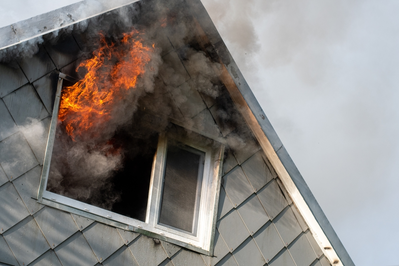
Cleveland's rental stock includes a mix of newer apartment complexes (built post-2010) and older homes, duplexes, and converted buildings. Older properties may have outdated electrical wiring, aging HVAC systems, or limited fire suppression — all of which increase fire risk. According to the National Fire Protection Association, cooking equipment causes nearly half of all residential fires, and renters are statistically more likely to experience fire damage than homeowners. Renters insurance is your financial protection when the worst happens.
How Much Does Renters Insurance Cost in Cleveland TN?
This is where most renters are surprised — renters insurance is remarkably affordable. Based on Tennessee market data and industry averages for 2026:
- Average annual premium: $180–$260 per year ($15–$22/month)
- $20,000 personal property / $100,000 liability: ~$15/month
- $50,000 personal property / $300,000 liability: ~$22/month
- Replacement cost upgrade: adds $2–$4/month
For context, that's less than a single streaming subscription. And unlike Netflix, renters insurance can prevent a $30,000 financial catastrophe.
Several factors affect your specific premium in Cleveland:
- Proximity to a fire station: Properties closer to Cleveland Fire Department stations (especially Station 1 on Church Street and Station 3 on Paul Huff Parkway) may qualify for lower rates.
- Building construction type: Newer brick or concrete construction typically costs less to insure than older wood-frame buildings.
- Security features: Deadbolts, smoke detectors, fire extinguishers, and monitored alarm systems can earn discounts of 5–15%.
- Claims history: A clean claims history keeps your premiums at their lowest tier.
- Deductible choice: Standard deductibles range from $250 to $1,000. Higher deductibles lower your premium.
When Landlords Require Renters Insurance — And Why You Should Have It Regardless
An increasing number of Cleveland landlords and property management companies now require renters insurance as a lease condition. National property management firms and many local landlords have adopted this requirement because tenant liability claims can become the landlord's problem when tenants lack coverage.
If your landlord requires renters insurance, they'll typically specify a minimum liability coverage amount ($100,000 is standard) and may ask to be listed as an "interested party" on the policy — which simply means they receive notification if the policy is cancelled. This does not give your landlord any rights to your policy or your claim payments.
Even if your lease doesn't require it, carrying renters insurance is one of the smartest financial decisions you can make as a tenant. Consider this scenario: a candle tips over in your living room, causing a fire that damages your apartment and the unit next door. Without renters insurance, you could face:
- $15,000–$30,000 to replace your personal belongings
- $20,000+ in liability for damage to the neighboring unit
- $3,000–$5,000 in temporary living expenses
- $10,000+ in legal defense costs if the neighbor sues
Total potential exposure: $50,000–$65,000 — versus $15–$22/month for insurance that covers all of it.
Special Situations for Cleveland Tenants
Lee University Students
If you're a student at Lee University living off-campus, your parents' homeowners insurance may extend some coverage to your belongings — but only if you're claimed as a dependent and meet specific criteria. Check with your parents' insurer. If coverage doesn't extend (or if the policy limits are low), a standalone renters policy is the safest option. Many carriers offer student discounts.
Roommates
Standard renters insurance covers only the named insured (and sometimes a spouse or domestic partner). If you share a rental with roommates, each person needs their own policy — or you need a joint policy that names all parties. Sharing a policy with a non-related roommate can create complications during claims, so separate policies are usually recommended.
Home-Based Business or Side Hustles
If you run a business from your Cleveland rental — selling on Etsy, freelance photography, tutoring — your standard renters policy may not cover business equipment or liability related to business activities. Ask about a business endorsement or a small business policy to close that gap. The cost is typically $50–$150/year for basic business property coverage.
Pet Owners
Tennessee has no statewide breed-specific insurance restrictions, but individual carriers may exclude or surcharge certain dog breeds. If you have a dog, confirm that your renters policy includes animal liability coverage and ask about breed restrictions before binding the policy. Pet liability claims are one of the most common renters insurance claims nationwide.
How to Get Renters Insurance in Cleveland TN
The process is straightforward:
- Inventory your belongings: Walk through your rental and estimate the total value of everything you own. Most people are surprised to discover they have $25,000–$50,000 in personal property.
- Choose your coverage levels: Personal property amount (match your inventory), liability ($100,000 minimum, $300,000 recommended), and deductible ($500 is a good middle ground).
- Compare quotes: Get at least 3 quotes from different carriers. Rates vary significantly — the same coverage can differ by 30–40% between carriers.
- Ask about bundling: If you have auto insurance, bundling with the same carrier often saves 10–15% on both policies.
- Review annually: Update your policy when you make major purchases, move, or when your lease renews.
All Seasons Insurance Group helps Cleveland and Bradley County tenants find the right renters insurance at the best available rate. As an independent agency, we compare policies from multiple carriers — so you get unbiased recommendations rather than a single company's pitch. Whether you're renting a studio near Lee University or a house in the Bradley Place neighborhood, we'll help you build a policy that actually fits your situation.
Call (865) 263-1400 or request a quote online — most renters insurance policies can be bound the same day.
Frequently Asked Questions
How much does renters insurance cost in Cleveland TN?
Renters insurance in Cleveland TN typically costs $15–$22 per month ($180–$260 annually) for a standard policy with $20,000–$50,000 in personal property coverage and $100,000–$300,000 in liability coverage. Your specific rate depends on coverage levels, deductible, building type, security features, and claims history. Bundling with auto insurance can save an additional 10–15%.
Does renters insurance cover flood damage in Cleveland TN?
No — standard renters insurance does not cover flood damage. If you rent near the Hiwassee River, Mouse Creek, or other flood-prone areas in Bradley County, you need a separate flood insurance policy. NFIP renters flood policies cover up to $100,000 in personal property and typically cost $200–$400 per year. Ask your agent whether your rental address falls in a FEMA flood zone.
Do I need renters insurance if my landlord has a policy?
Yes. Your landlord's insurance covers the building structure only — not your personal belongings, your liability, or your temporary living expenses. If a fire destroys your apartment, your landlord's insurance rebuilds the unit but you're responsible for replacing all your possessions. Renters insurance fills that gap at a fraction of the cost of going without.