Sevierville Cabin Insurance: Wildfire, Rental Income, and Mountain Property Gaps Owners Should Review
Cabin insurance in Sevierville is not the same conversation as a basic suburban home policy. A mountain cabin may have guest turnover, steep roads, wraparound decks, hot tubs, fireplaces, long-distance ownership, wooded surroundings, and income expectations tied to nightly rental bookings. That combination can be profitable, but it also creates coverage questions that should be answered before a claim, not during one.
Sevier County owners often focus on the mortgage requirement and the annual premium. Those matter, but they are not the whole picture. The better question is whether the policy matches how the cabin is actually used. A cabin that sits empty between bookings, hosts guests from out of state, carries expensive furnishings, and depends on tourism income needs a more specific review than a standard owner-occupied house.
Quick answer: Sevierville cabin owners should review more than the dwelling limit. The policy should be checked for short-term rental use, wildfire and smoke damage, loss of rental income, liability around decks and hot tubs, replacement cost, water backup, vacancy rules, and whether the coverage still fits current rebuild costs in the Smoky Mountain area.
Why Sevierville cabins need a different insurance conversation
Sevierville sits in one of East Tennessee’s most active tourism corridors. Owners may be close to the Parkway, Wears Valley Road, Douglas Lake routes, Pigeon Forge attractions, or the edge of the Great Smoky Mountains. That local context matters because the property is often both a real estate asset and a business-like income source.
A normal home insurance review may ask whether the roof is newer, what the square footage is, and whether there is a mortgage. A better cabin review asks more. Is the cabin rented nightly? Who manages it? How often is it vacant? Are there fireplaces, grills, hot tubs, balconies, steep stairs, or game rooms? Are furnishings included in the coverage? If a covered claim shuts the cabin down during peak season, is lost rental income addressed?
The gaps usually appear when the policy was bought quickly, copied from a prior home policy, or never updated after the cabin became a rental. That is where owners can get surprised.
The wildfire and smoke question owners should not ignore
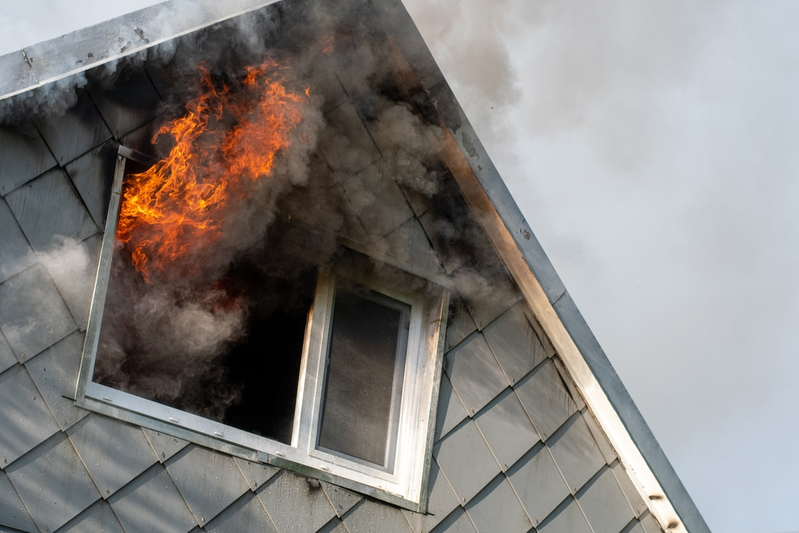
Wildfire risk is not theoretical in the Smoky Mountain region. Coverage availability, underwriting rules, and deductibles can vary by carrier and property. Owners should not assume every fire-related scenario works the same way. Direct fire damage is one issue. Smoke damage, evacuation orders, access restrictions, and lost bookings can involve different policy sections and different requirements.
For example, if smoke from a nearby fire affects the cabin but flames never reach the structure, the claim may be evaluated differently than a direct structural fire. If local authorities restrict access, civil authority language may become important. If guests cancel reservations because the property cannot be used after a covered event, business income or rental income language matters. The details are not exciting, but they decide dollars.
Owners should ask their agent to explain what happens after a wildfire warning, a smoke event, and a direct cabin fire. Those are three related but different conversations.
Rental income coverage can be the missing piece
Many Sevierville cabin owners think about the building first and the income second. That is understandable, but a covered property claim can create a cash-flow problem long before rebuilding is finished. If a cabin normally earns several thousand dollars per month during stronger travel seasons, a three-month repair timeline can create a meaningful interruption.
Loss-of-rents or business-income coverage may help in some covered scenarios, but it is not automatic on every policy. Limits, waiting periods, proof requirements, and covered-cause rules matter. A cabin that grosses $4,000 per month in one season and $9,000 per month in another should not be reviewed with a vague income estimate. Owners should keep booking reports, management statements, and tax records where they can be found if a claim requires documentation.
A practical review compares the limit to realistic income, not best-case social media numbers and not a random default.
Replacement cost is not just square footage
Cabin replacement cost can be tricky because mountain properties are not always simple builds. Access, slope, decks, railing systems, specialty wood finishes, fireplaces, septic systems, debris removal, code upgrades, and labor availability can all affect rebuilding. A 1,600-square-foot cabin can cost far more to restore than an owner expects if the claim involves structural repairs, smoke remediation, or difficult access.
Many policies include deductibles such as $1,000, $2,500, or $5,000, and some property types can carry higher wind, hail, or special deductibles depending on the carrier. The deductible is only one piece. The bigger issue is whether the coverage limit reflects current replacement cost, not what the cabin was worth when purchased or what it might sell for today.
Market value and rebuild cost are not the same. A scenic cabin may sell based on view, income, and location. Insurance needs to focus on the cost to rebuild the physical structure and restore covered property after a loss.
Guest liability deserves a serious look
Short-term rental guests do not know the property like the owner does. They may use hot tubs, grills, loft ladders, decks, fire pits, bunk rooms, and steep driveways in ways the owner would not. That makes liability coverage important. A guest injury can become expensive quickly, especially if medical bills, lost work, or attorney involvement enter the picture.
Owners should review liability limits and consider whether an umbrella policy makes sense. A $300,000 liability limit may sound large until a serious fall, burn, or vehicle-related injury occurs. Umbrella coverage is not always expensive relative to the extra protection it can provide, but eligibility and underlying limit requirements vary.
Cabin owners should also keep basic risk controls in place: handrails, lighting, posted hot tub rules, maintained decks, smoke detectors, carbon monoxide detectors, fire extinguishers, and clear driveway instructions. Insurance is not a substitute for maintenance, but good maintenance can support both guest safety and claim defensibility.
Vacancy, maintenance, and water damage rules can matter
Cabins often sit empty between bookings or during slower seasons. Some policies treat vacancy or extended unoccupancy differently after 30 or 60 days, depending on the form. Owners should know the rules before assuming a vacant-property claim will be handled like an occupied one.
Water is another common problem. A frozen pipe, appliance leak, hot tub leak, or drain backup can create major damage before anyone notices. Standard policies may distinguish between sudden discharge, long-term seepage, flood, and sewer or drain backup. Flood is usually separate from standard property insurance. Sewer or water backup often requires an endorsement.
A strong annual review asks: Who checks the cabin? How often? Is there smart leak detection? Are pipes protected during cold snaps? Is water backup included? Are hot tub systems maintained and documented?
What to gather before an ASIG review
- Current declaration page and full policy if available
- Cabin square footage, year built, roof age, and major updates
- Photos of decks, exterior access, fireplaces, hot tubs, and specialty features
- Short-term rental management agreement if applicable
- Prior 12-month rental income or booking report
- List of furnishings and higher-value contents
- Mortgagee requirements and any HOA or resort rules
That may sound like a lot, but it helps turn the conversation from “find me the cheapest policy” into “make sure this cabin does not have a gap that could wreck the year.” That is the right standard.
Local proof and next step
For Sevierville, Gatlinburg, Pigeon Forge, Seymour, and nearby Smoky Mountain properties, local context matters. You can view the All Seasons Insurance Group Sevierville Google Business Profile for map context, reviews, and local contact details.
Call to action: If you own a cabin in Sevierville or the Smoky Mountain area, call All Seasons Insurance Group at (865) 263-1400 and ask for a cabin policy review. Seasons change. So should your coverage.
Frequently asked questions about Sevierville cabin insurance
Does cabin insurance automatically cover wildfire smoke or evacuation-related losses?
Not automatically in every situation. Property coverage, loss of use, rental income, civil authority, and smoke-related damage can all depend on the policy form, endorsements, and the facts of the loss.
Should Sevierville cabin owners tell their agent if the property is a short-term rental?
Yes. Nightly or short-term rental use can change liability, property, contents, and income-loss needs. A standard home policy may not match regular guest occupancy.
What cabin details should owners review before renewal?
Owners should review replacement cost, rental use, furnishings, decks, hot tubs, steep driveways, vacancy rules, wildfire exposure, water backup, and whether loss-of-income coverage fits the property.
Can a cabin be underinsured even if the premium seems high?
Yes. Mountain construction, decks, access, labor, debris removal, and finish level can make rebuilding more expensive than owners expect. Premium alone does not prove the limit is right.
About the Author
All Seasons Insurance Group is a locally owned, independent insurance agency proudly serving Tennessee families and businesses since 2021. Founded by Tannor Giles and Preston Stewart, our licensed team is committed to finding the best coverage at competitive rates — because as an independent agency, we shop multiple carriers on your behalf to get you the right policy, not just the cheapest one.
With offices in Sevierville (1001 Parkway) and Knoxville (121 Suburban Rd), we specialize in home, auto, business, farm, renters, and investment property insurance across East Tennessee — from the Smoky Mountains to Nashville.
Ready to review your coverage? Call us at (865) 263-1400 or get a free quote online.
Seasons change. So should your coverage.