Why Spring Is Tennessee's Most Dangerous Weather Season
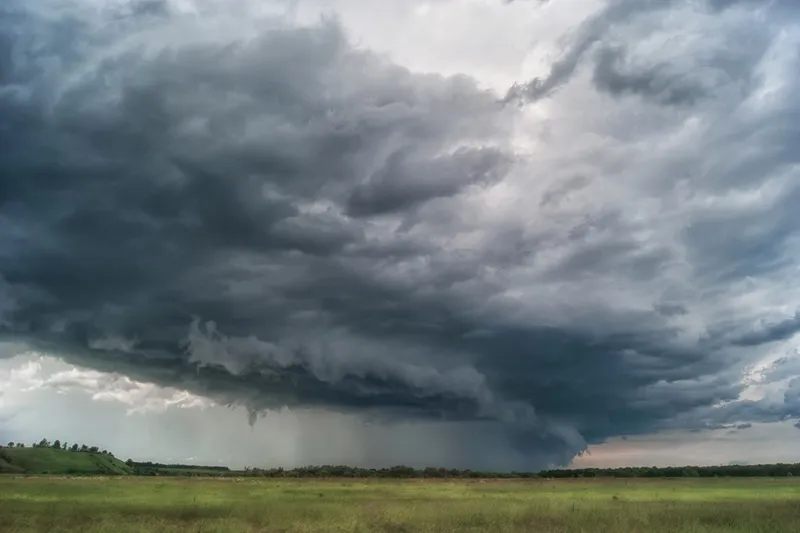
Tennessee consistently ranks among the top 10 states for tornado activity, and the spring months of March through June are when the risk peaks. In the 2024-2025 season alone, Tennessee saw over 30 confirmed tornadoes, with EF2+ storms causing significant damage in Middle and East Tennessee. But tornadoes are only part of the picture — spring also brings severe thunderstorms, large hail, straight-line winds exceeding 70 mph, and flash flooding that can overwhelm drainage systems in minutes.
For homeowners, the question isn't whether severe weather will happen — it's whether your insurance policy is prepared when it does.
At All Seasons Insurance Group, we've seen firsthand how gaps in coverage can turn a bad storm into a financial disaster. This guide walks you through everything you need to check, update, and understand before Tennessee's 2026 storm season reaches full force.
Step 1: Review Your Dwelling Coverage Amount
Your dwelling coverage is the amount your policy will pay to rebuild your home if it's destroyed. The most common mistake we see? Homeowners who insured their home at purchase price but haven't updated their coverage since. With construction costs rising 15-25% across Tennessee since 2020, a policy written three years ago may be significantly underinsured today.
To check your coverage:
- Find your current dwelling coverage limit (Coverage A on most policies)
- Compare it to the estimated replacement cost — not market value — of your home
- Ask your agent about an inflation guard endorsement, which automatically adjusts your coverage annually
- If you've made improvements (new roof, addition, kitchen remodel), report them to your insurer
Rebuilding a 2,000 sq ft home in East Tennessee in 2026 can cost $250,000-$350,000 depending on materials and labor availability. If your dwelling coverage is still at $200,000, you'd be responsible for the gap.
Step 2: Understand Your Wind and Hail Deductible
This is where many Tennessee homeowners get surprised. Standard homeowners policies increasingly use a separate, higher deductible specifically for wind and hail damage — and it's usually calculated as a percentage of your dwelling coverage, not a flat dollar amount.
For example:
- Dwelling coverage: $300,000
- Wind/hail deductible: 2%
- Your out-of-pocket cost before insurance pays: $6,000
Compare that to a standard $1,000 deductible for other perils like fire or theft. If a spring hailstorm damages your roof, siding, and gutters, you'd need to cover $6,000 before a single dollar of insurance kicks in. Review your declarations page — the first few pages of your policy — and look specifically for a wind/hail deductible. If it's a percentage, consider whether you have that amount available in an emergency fund.
Step 3: Verify Your Flood Insurance Situation
Here's the fact that catches most people off guard: standard homeowners insurance does NOT cover flood damage. Period. Not from rising rivers, flash floods, storm surge, or overland water. If your home floods, your homeowners policy won't pay for it unless you have a separate flood insurance policy.
In Tennessee, flood risk is widespread — not just along major rivers. Flash flooding from spring thunderstorms can affect homes that have never flooded before, especially in hilly terrain where water moves fast. Even homeowners outside designated flood zones can (and do) experience flood damage.
Key flood insurance facts for Tennessee:
- Flood insurance is available through the National Flood Insurance Program (NFIP) or private carriers
- There is typically a 30-day waiting period before a new flood policy takes effect — you cannot buy it during a storm warning
- Average flood insurance premiums in Tennessee range from $700 to $1,500/year depending on your flood zone, elevation, and home value
- Even if you're not in a FEMA-designated high-risk zone, approximately 25% of all flood claims come from moderate- and low-risk areas
If you don't have flood insurance, now — before storm season — is the time to get a quote. Call All Seasons Insurance Group at (865) 263-1400 and we'll assess your specific flood risk and find the most competitive rates.
Step 4: Check Your Roof's Age and Condition
Your roof is your home's first defense against storms, and insurers know it. In Tennessee's insurance market, the age and condition of your roof directly affects both your coverage and your premiums:
- Roofs under 10 years old: Typically covered at full replacement cost
- Roofs 10-15 years old: Some carriers may require an inspection before renewal
- Roofs 15-20+ years old: May be covered on an actual cash value (depreciated) basis only, or the carrier may decline to renew
If your roof is approaching the 15-year mark, schedule a professional inspection before storm season. Document the results. If repairs or replacement are needed, completing them before a claim event ensures you'll be fully covered. A new roof can also reduce your annual premium by 10-20% with many carriers.
Step 5: Document Your Belongings (Before a Storm Hits)
After a major storm, the hardest part of filing a claim is proving what you lost. Take 30 minutes this weekend and do the following:
- Walk through every room and record video on your phone — open drawers, closets, and cabinets
- Photograph serial numbers on electronics and appliances
- Save receipts for major purchases in a cloud folder (Google Drive, iCloud, etc.)
- Create a home inventory spreadsheet with estimated replacement values
- Store all documentation off-site or in the cloud — a flash drive in your filing cabinet doesn't help if the filing cabinet is destroyed
Your personal property coverage (Coverage C) typically covers 50-70% of your dwelling limit. For a $300,000 dwelling policy, that's $150,000-$210,000 in personal property protection. But you need to prove your losses to collect.
Step 6: Review Your Additional Living Expense (ALE) Coverage
If your home is uninhabitable after storm damage, your homeowners policy includes Additional Living Expense coverage (Coverage D). This pays for hotel stays, restaurant meals, and other costs above your normal living expenses while your home is repaired.
In Tennessee, major storm repairs can take 3-12 months depending on severity and contractor availability. ALE coverage typically runs 20-30% of your dwelling limit — on a $300,000 policy, that's $60,000-$90,000. Review your limit and consider whether it would cover several months of temporary housing in your area.
Step 7: Consider an Umbrella Policy
Spring storms don't just damage your property — they can create liability situations. A tree from your property falls on a neighbor's car. A visitor slips on storm-damaged walkway. Your standard homeowners liability coverage (typically $100,000-$300,000) may not be enough for a serious claim. An umbrella policy adds an additional $1 million or more in liability protection and typically costs just $200-$400 per year.
Your Spring Insurance Checklist
Before storm season peaks, review this checklist with your insurance agent:
- ☐ Dwelling coverage reflects current rebuilding costs (not purchase price)
- ☐ You understand your wind/hail deductible (flat amount vs. percentage)
- ☐ Flood insurance is in place OR you've confirmed you're comfortable with the risk
- ☐ Roof age and condition have been documented
- ☐ Home inventory is completed and stored in the cloud
- ☐ ALE coverage is adequate for 3-6 months of temporary housing
- ☐ Tree limbs overhanging your home or power lines have been trimmed
- ☐ Your emergency fund can cover your highest deductible
Seasons change. So should your coverage. The team at All Seasons Insurance Group specializes in helping Tennessee homeowners find the right balance of protection and affordability. Call us at (865) 263-1400 for a free policy review before storm season starts.
Frequently Asked Questions
Does my Tennessee homeowners insurance cover tornado damage?
Yes, standard homeowners insurance covers wind damage from tornadoes, including structural damage, roof damage, and personal property losses. However, your wind/hail deductible may be higher than your standard deductible — often 1-2% of your dwelling coverage instead of a flat dollar amount. Flood damage from any cause, including tornado-related flooding, requires a separate flood policy.
How much does home insurance cost in Tennessee in 2026?
Average annual home insurance premiums in Tennessee range from $1,200 to $2,500 depending on your home's value, age, roof condition, location, and claims history. Homes in high-risk areas for wind, hail, or flooding may see higher premiums. Shopping your policy every 2-3 years and bundling home and auto can save 10-25%.
Do I need flood insurance if I'm not in a flood zone?
You're not required to carry it, but approximately 25% of all flood claims in the United States come from properties outside high-risk flood zones. Flash flooding from Tennessee's spring storms can affect any property, especially those near creeks, streams, or hilly terrain. Flood policies for low-risk properties are often less expensive — sometimes as low as $400-$500/year.
What should I do immediately after storm damage to my Tennessee home?
First, ensure everyone is safe. Then: document all damage with photos and video before any cleanup, prevent further damage (tarp a damaged roof, board broken windows), save receipts for emergency repairs, and contact your insurance agent to start the claims process. Do not make permanent repairs until the adjuster has inspected the damage.
Can my insurance company drop me after a storm claim?
Tennessee law allows insurers to non-renew a policy, but they must provide advance notice (typically 30-60 days). Filing one weather-related claim generally won't trigger non-renewal, but multiple claims in a short period can. If your carrier does non-renew, work with an independent agent like All Seasons Insurance Group to find alternative coverage — we work with multiple carriers and can often find competitive options even with a claims history.