If you own a home in Nashville, your insurance bill has probably gone up in 2026 — and you're not imagining it. Tennessee homeowners insurance premiums have increased an average of 12-15% over the past two years, and Davidson County is seeing some of the steepest rate adjustments in the state. Between severe storm damage, rising construction costs, and a tightening reinsurance market, Nashville homeowners are paying more for coverage than at any point in the past decade.
But here's what most homeowners don't realize: you have more control over your insurance costs than you think. The difference between the most and least expensive policy for the same Nashville home can be $800-$1,200 per year — and it comes down to knowing what to ask for, what to adjust, and when to shop.
This guide breaks down what's actually happening in Nashville's homeowners insurance market, what it means for your wallet, and the specific steps you can take to protect your home without overpaying.
Why Nashville Insurance Rates Are Rising in 2026
Severe Weather Is Getting Worse — and More Expensive
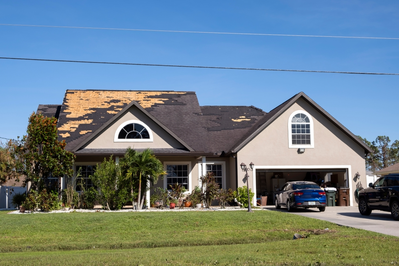
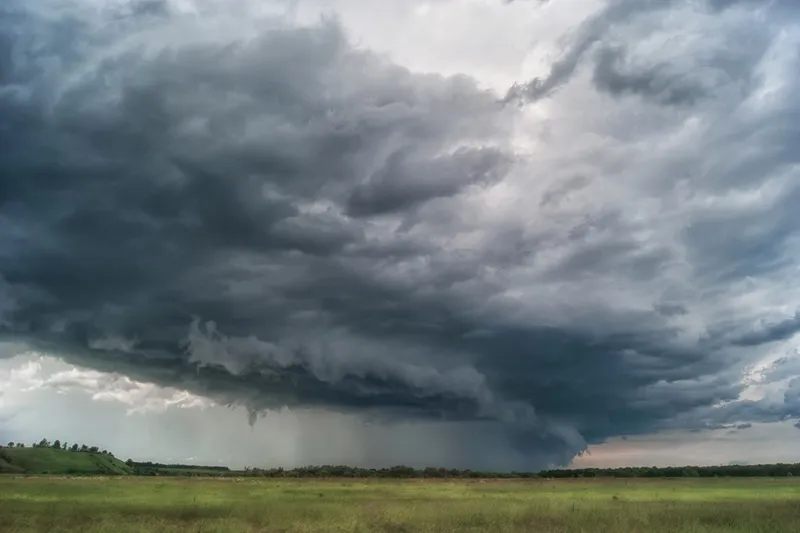
Nashville sits in a region increasingly impacted by severe convective storms — hail, straight-line winds, and tornadoes. The March 2020 tornado that devastated East Nashville, Germantown, and Cookeville was a $1.6 billion event. Since then, Davidson County has experienced multiple severe weather events annually, including the December 2023 storms that caused widespread wind and flood damage.
Insurance carriers track catastrophe exposure by zip code. Nashville zip codes — particularly 37206 (East Nashville), 37210 (South Nashville), and 37211 (Antioch) — have seen claim frequencies that exceed state averages. When claims go up in your area, everyone's premiums follow.
Construction Costs Haven't Come Down
The cost to rebuild a damaged home has risen dramatically. In the Nashville metro, construction costs are approximately 25-30% higher than pre-2020 levels. Lumber, labor, roofing materials, and HVAC systems all cost more. When your insurer calculates your dwelling coverage, they're pricing it based on replacement cost — and that number keeps climbing.
A home that cost $250,000 to rebuild in 2019 might require $325,000+ in coverage today. If your policy hasn't been updated to reflect current replacement costs, you could be dangerously underinsured.
The Reinsurance Squeeze
Behind the scenes, the companies that insure your insurer (called reinsurers) have raised their rates significantly. Global catastrophe losses have driven reinsurance premiums up 20-30% since 2022. Those costs flow directly to homeowners through higher premiums. It's a systemic issue — not something any single carrier can avoid.
What Nashville Homeowners Are Actually Paying
Here's what typical Nashville-area premiums look like in 2026:
- Average annual premium (Davidson County): $2,100–$2,600 for a standard HO-3 policy on a $400,000–$500,000 home
- East Nashville/Germantown: $2,400–$3,000 — higher due to tornado/wind claim history and older building stock
- Williamson County (Franklin, Brentwood): $2,200–$2,800 — newer construction helps, but higher home values drive premiums up
- Antioch/Southeast Davidson: $1,800–$2,200 — more affordable homes, but flood zone proximity increases risk
- New construction (2020+): Typically 15-25% less than comparable older homes due to updated building codes, impact-resistant roofing, and modern electrical/plumbing
Coverages Nashville Homeowners Actually Need
Dwelling Coverage (Coverage A)
This is the big one — it covers the cost to rebuild your home. In Nashville, make sure your dwelling coverage reflects current replacement cost, not market value. Market value includes land; replacement cost is just the structure. Your insurer should run a replacement cost estimator annually. If they haven't done this since 2022, your coverage may be $50,000-$100,000 short.
Wind and Hail Coverage
Tennessee doesn't require a separate windstorm policy (unlike coastal states), but many Nashville policies now include separate wind/hail deductibles — often 1-2% of the dwelling coverage amount. On a $400,000 policy, a 2% wind/hail deductible means you're paying the first $8,000 out of pocket for hail damage before insurance kicks in. Know your deductible and make sure it's something you can absorb.
Water Backup Coverage
Nashville's aging sewer infrastructure makes water backup coverage essential — yet it's typically not included in standard policies. A sewer backup can cause $10,000-$50,000 in damage to finished basements and lower levels. Adding water backup coverage usually costs $50-$100/year — one of the best value endorsements available.
Flood Insurance
Standard homeowners policies do NOT cover flood damage. If your Nashville home is anywhere near Mill Creek, the Cumberland River flood plain, or low-lying areas in Antioch and Bellevue, flood insurance through the NFIP or private carriers is not optional — it's essential. FEMA flood maps were updated in 2024, and some Nashville properties that weren't previously in flood zones now are. Check your property at msc.fema.gov.
Extended Replacement Cost
This endorsement extends your dwelling coverage by 25-50% above the stated limit — crucial in a post-disaster scenario when contractor demand spikes and rebuild costs surge. Most top carriers offer this for an additional 5-10% premium increase. In a city prone to tornado and severe storm damage, it's worth every dollar.
7 Ways Nashville Homeowners Can Save on Insurance in 2026
1. Bundle Home and Auto
Multi-policy discounts typically save 10-20%. If your home and auto are with different carriers, you're almost certainly overpaying. At All Seasons Insurance Group, bundling is one of the first things we evaluate — it's usually the single biggest savings opportunity.
2. Raise Your Deductible Strategically
Moving from a $1,000 to a $2,500 deductible can reduce your premium by 15-25%. The math works if you have an emergency fund and don't file small claims. On a $2,400/year policy, a 20% savings is $480 annually — the higher deductible pays for itself in less than 4 years even if you do have a claim.
3. Upgrade Your Roof
Nashville carriers offer significant discounts for impact-resistant (Class 4) roofing materials. If your roof is due for replacement, investing in architectural shingles with Class 4 impact resistance can reduce premiums by 10-28% depending on the carrier. The upfront cost difference is typically $2,000-$4,000 — it pays back through insurance savings in 3-5 years.
4. Install Smart Home Security
Monitored alarm systems, water leak detectors, and smart smoke detectors qualify for discounts with most carriers. Combined savings typically run 5-15%. Systems like SimpliSafe, Ring Alarm Pro, and ADT all qualify — ask your agent which systems your specific carrier recognizes.
5. Review Your Policy Annually
Life changes affect insurance needs. Did your kids move out? Did you pay off the mortgage? Did you remove the trampoline or pool? Each of these can reduce your premium. Annual reviews catch savings that auto-renewals miss.
6. Ask About Claims-Free Discounts
Many carriers offer 5-20% discounts for 3-5 years of claims-free history. If you've been claim-free and your current carrier doesn't offer this discount, it's time to shop.
7. Shop the Market Every 2-3 Years
Insurance loyalty rarely pays off the way people assume. Carriers re-price risk constantly, and the cheapest option today may not be the cheapest in 3 years. Getting quotes from 3-5 carriers every 2-3 years is the single most effective way to control long-term costs. An independent agent like All Seasons Insurance Group can run these comparisons for you across multiple carriers simultaneously.
Nashville-Specific Insurance Considerations
Historic Homes
Nashville's historic neighborhoods — Germantown, Lockeland Springs, Hillsboro Village — contain homes built in the early 1900s with unique construction features (plaster walls, original hardwood, period fixtures) that standard replacement cost calculations may not cover. Consider a guaranteed replacement cost or an agreed-value policy that accounts for the cost of period-appropriate restoration.
Short-Term Rental Properties
If you operate an Airbnb or VRBO in Nashville, your standard homeowners policy likely does not cover commercial rental activity. You need either a landlord policy (DP-3) or a specialized short-term rental endorsement. Operating without proper coverage is a common and expensive mistake.
New Construction vs. Older Homes
Homes built after 2015 in Nashville benefit from updated building codes that make them more wind-resistant and fire-resistant. These homes consistently qualify for lower premiums — often 15-25% less than comparable older homes. If you're buying in Nashville, the age of the home directly impacts your ongoing insurance costs.
Frequently Asked Questions
How much is homeowners insurance in Nashville, TN in 2026?
The average Nashville homeowner pays approximately $2,100–$2,600 per year for a standard HO-3 policy on a $400,000–$500,000 home. Rates vary significantly by neighborhood, home age, claims history, and coverage level. East Nashville and older neighborhoods tend to be higher; new construction is typically lower.
Is flood insurance required in Nashville?
Flood insurance is required by mortgage lenders if your property is in a FEMA-designated Special Flood Hazard Area. Even if not required, many Nashville homeowners in low-lying areas near Mill Creek, the Cumberland River, or Richland Creek should strongly consider flood coverage. Standard homeowners policies do not cover flood damage.
What is the best homeowners insurance company in Nashville?
The "best" company depends on your specific home, location, and coverage needs. Nashville homeowners should compare quotes from at least 3-5 carriers. Working with an independent insurance agency like All Seasons Insurance Group allows you to compare options across multiple carriers to find the best combination of coverage and price for your situation.
Does a new roof lower insurance costs in Nashville?
Yes — significantly. A new roof, especially one with Class 4 impact-resistant shingles, can reduce Nashville premiums by 10-28%. Given Nashville's hail and wind exposure, carriers reward roof upgrades because they dramatically reduce claim frequency and severity.