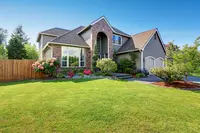
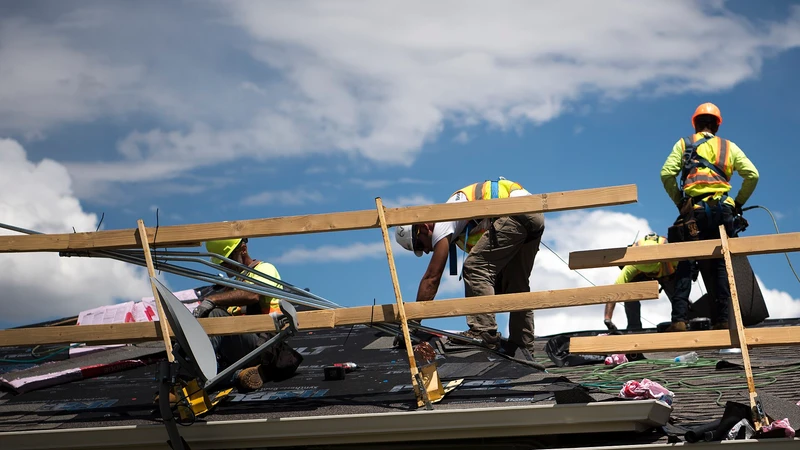
A condo roof, siding, paving, and other shared parts of the building all wear out. Tennessee's Condominium Act requires many condo boards to plan for that in writing. Under Tennessee Code § 66-27-403(g), a board that oversees common elements with an aggregate replacement cost of more than $10,000 must keep a reserve study current, updating it at least every five years.
The board must also make a copy of the reserve study available to all owners by email or by posting it on the community website. The statute ties the study to assessing the condition of the common elements and planning for their repair and maintenance.
| Requirement | What § 66-27-403(g) says |
|---|---|
| Who it applies to | Boards overseeing common elements with an aggregate replacement cost over $10,000 |
| Study done on or after January 1, 2020 | Update within five years of that study, then at least every five years |
| No study since January 1, 2020 | A study was due on or before January 1, 2025, then updates every five years |
| Sharing with owners | Copy available to all owners by email or on the community website |
| Purpose | Assessing the condition of, and planning for repair and maintenance of, the common elements |
Source: Tennessee Code § 66-27-403(g).
Exceptions and annual funding review
Section 66-27-403(g) does not apply to a declarant-controlled board, a condominium titled to a single owner, or a husband and wife owning it as tenants by the entirety. For boards covered by the subsection, reserve funding must also be reviewed annually for adequacy.
Loss assessment insurance generally does not fund routine maintenance, wear and tear or ordinary reserve shortfalls. Ask which covered causes of loss and assessment limits your HO-6 form actually insures.
Why a reserve study matters to your HO-6 policy
A reserve study plans for repair and maintenance of the common elements. When reserves fall short, associations often turn to special assessments, and those can become a lien on your unit: Tennessee condo law lets your association bill you for uninsured damage and put a lien on your unit if you do not pay.
Wear and tear is generally not something insurance is meant to pay for. That makes the reserve fund, not the master policy, the usual source of money for an aging roof or worn-out siding. Knowing where your association stands helps you decide how much loss assessment coverage to ask about on your HO-6 policy.
How to use the study as an owner
- Ask for the current study if you have not received it by email or found it on the community website.
- Look at the projected replacement dates for big items such as roofs, siding, and paving.
- Compare the recommended reserve funding with what the association actually has.
- If you are buying, ask about reserves along with the association's insurance information: Before buying a Tennessee condo, you can get the association's insurance types, limits, and deductibles in writing within 10 business days.
Who repairs what, and who insures what
Tennessee condo law generally divides repair duties between the association and the unit owner: Tennessee condo law makes the association repair the common elements and each owner repair their own unit unless the declaration says otherwise. The master policy and your HO-6 policy follow a similar split, and the association's insurance requirements are set out separately: Tennessee’s condo law sets an 80% master-policy floor, and your HO-6 still has to fill the gaps.
Related reading
- What happens to master policy claim money: After a Tennessee condo loss, the master policy claim is adjusted with the association, and the money must go to repairs first.
- Fidelity bond rules for associations starting January 1, 2027: Starting Jan. 1, 2027, Tennessee HOAs that collect assessments must carry a fidelity bond.
This article is informational only. It summarizes Tennessee Code § 66-27-403(g) and does not promise coverage or eligibility. Your declaration, bylaws, master policy, and HO-6 policy control.
Related reading from All Seasons
- Tennessee condo law lets your association bill you for uninsured damage and put a lien on your unit if you do not pay.
- Tennessee condo law makes the association repair the common elements and each owner repair their own unit unless the declaration says otherwise.
- Tennessee’s condo law sets an 80% master-policy floor, and your HO-6 still has to fill the gaps.
- After a Tennessee condo loss, the master policy claim is adjusted with the association, and the money must go to repairs first.
- Before buying a Tennessee condo, you can get the association's insurance types, limits, and deductibles in writing within 10 business days.
- Starting Jan. 1, 2027, Tennessee HOAs that collect assessments must carry a fidelity bond.
Free policy review
All Seasons Insurance Group offers a free personal policy review. Call 865-263-1400 or visit asigtn.com/get-a-quote/. This article is informational only and does not promise coverage or eligibility; your policy forms control. Seasons change. So should your coverage.
Do Tennessee condo associations need a reserve study?
Under Tennessee Code 66-27-403(g), a board overseeing common elements with an aggregate replacement cost over $10,000 must keep a reserve study and update it at least every five years.
What if the association had no study since 2020?
The statute required a reserve study on or before January 1, 2025 for boards without one conducted on or after January 1, 2020, with updates every five years.
Can owners see the reserve study?
Yes. The board must make a copy available to all owners by email or by posting it on the community website.
What is a reserve study for?
The statute says it is for assessing the condition of and planning for repair and maintenance of the common elements.
What should I look for in the reserve study?
Projected replacement dates for big shared items such as roofs, siding, and paving, and how recommended reserves compare with what the association holds.
Why does a reserve study matter for my HO-6 policy?
Short reserves can lead to special assessments. Knowing the reserve picture helps you ask the right questions about loss assessment coverage.
Does insurance pay for an old condo roof?
Wear and tear is generally not what insurance is meant to cover, which is why associations plan for replacements through reserves. Your policies control.
How can All Seasons help after reading this?
Call 865-263-1400 or visit asigtn.com/get-a-quote/ for a free personal policy review. Informational only; no coverage promises. Seasons change. So should your coverage.