
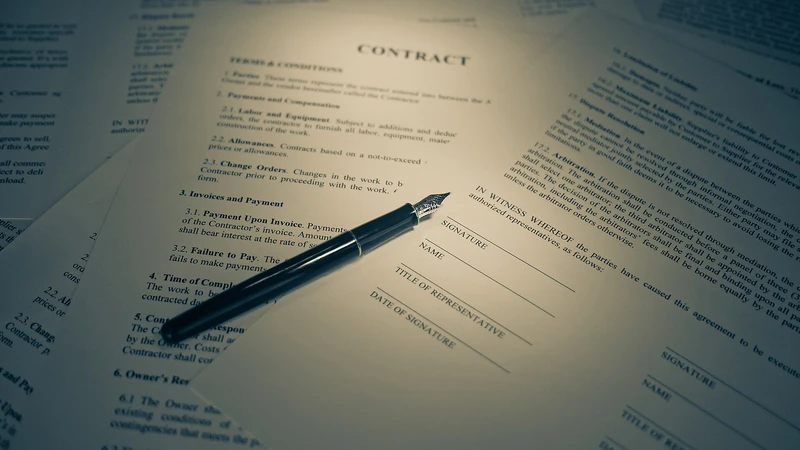
Buying a car on credit often means the lender wants the car insured against damage, because the car secures the loan. Some lenders sell that collision coverage themselves as part of the deal. Tennessee Code § 56-7-1106 deals with one specific gap that can follow: collision coverage protects the car, but it is not liability insurance for injuries or damage you cause to other people.
Under the statute, when a creditor or lender requires a borrower to purchase collision insurance as a condition of a loan to buy an automobile, and sells the borrower collision but not liability insurance, the lender must give the borrower written notice that no liability insurance is being sold. The borrower signs that notice, and it must be explained as part of or together with the loan papers.
| Question | What § 56-7-1106 says |
|---|---|
| When does the rule apply? | A creditor or lender requires collision insurance as a condition of a loan to purchase an automobile |
| What triggers the notice? | The lender sells collision, but not liability, insurance to the borrower |
| What must the notice say? | That no liability insurance is being sold |
| Who signs it? | The borrower |
| When is it explained? | As part of or together with the loan papers the borrower signs |
Source: Tennessee Code § 56-7-1106.
Collision and liability do different jobs
Collision coverage pays toward damage to your own vehicle. Liability coverage responds when you are responsible for injuries or property damage to someone else. A policy sold to protect the lender's collateral can leave the driver without the liability coverage Tennessee drivers are expected to carry. For the basics, see TDCI’s glossary separates collision coverage from comprehensive coverage. and Tennessee’s auto liability minimum is 25/50/25 — here is what TDCI’s Auto Insurance 101 page says.
What to do at the dealership or loan closing
- If you are handed a notice saying no liability insurance is being sold, read it before you sign, and arrange liability coverage before you drive away.
- Ask whether any insurance in the loan papers is required by the lender or optional.
- Check whether your own auto policy already lists the new car, and when the coverage starts. TDCI glossary defines an insurance binder as temporary proof of coverage.
- If the loan balance could exceed the car's value, read TDCI’s glossary explains gap insurance for auto loan balances.
- Consider protection against drivers without enough insurance: TDCI’s glossary defines uninsured and underinsured motorist coverage.
- Keep your declarations page with your loan file: TDCI glossary: what your insurance declarations page shows.
This article is informational only. It summarizes Tennessee Code § 56-7-1106 and does not promise coverage or eligibility. Your loan documents and policy forms control.
Related reading from All Seasons
- TDCI’s glossary separates collision coverage from comprehensive coverage.
- Tennessee’s auto liability minimum is 25/50/25 — here is what TDCI’s Auto Insurance 101 page says.
- TDCI’s glossary explains gap insurance for auto loan balances.
- TDCI’s glossary defines uninsured and underinsured motorist coverage.
- TDCI glossary: what your insurance declarations page shows.
- TDCI glossary defines an insurance binder as temporary proof of coverage.
Free policy review
All Seasons Insurance Group offers a free personal policy review. Call 865-263-1400 or visit asigtn.com/get-a-quote/. This article is informational only and does not promise coverage or eligibility; your policy forms control. Seasons change. So should your coverage.
Does collision insurance sold with my car loan cover injuries I cause?
Collision coverage is for damage to your own vehicle. Tennessee Code 56-7-1106 requires a notice when a lender sells collision but not liability insurance.
When does Tennessee Code 56-7-1106 apply?
When a creditor or lender requires collision insurance as a condition of a loan to purchase an automobile and sells collision, but not liability, insurance to the borrower.
What must the lender tell me?
The lender must give written notice that no liability insurance is being sold.
Do I have to sign the notice?
The statute says the written notice shall be signed by the borrower.
When is the notice explained?
It must be explained to the borrower as part of or together with the loan papers the borrower signs.
What should I do if I get this notice?
Arrange liability coverage before driving the car, and confirm on your own policy when coverage for the new vehicle begins.
Is gap insurance the same as liability insurance?
No. Gap coverage relates to the loan balance versus the car's value; liability coverage relates to harm you cause to others.
How can All Seasons help after reading this?
Call 865-263-1400 or visit asigtn.com/get-a-quote/ for a free personal policy review. Informational only; no coverage promises. Seasons change. So should your coverage.