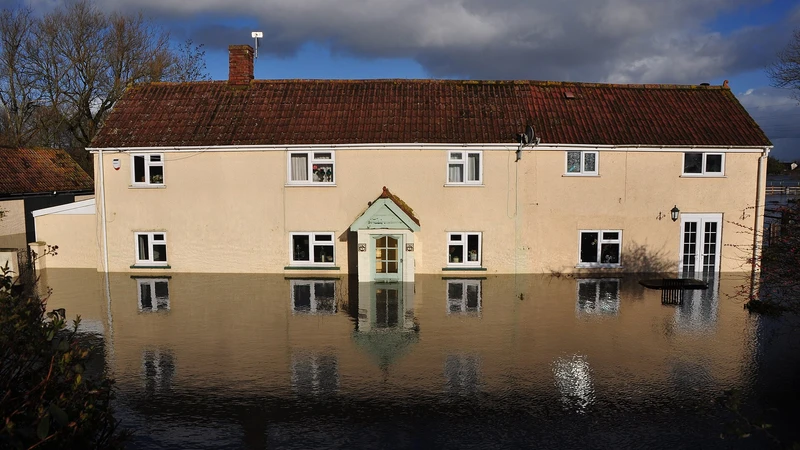
When floodwater recedes, what it leaves behind can be as costly as the damage itself: mud-soaked drywall, ruined furniture, and debris that washed in from somewhere else. The National Flood Insurance Program (NFIP) Standard Flood Insurance Policy Dwelling Form, published at 44 CFR Part 61, Appendix A(1), addresses debris removal directly.
Debris removal appears under Coverage C—Other Coverages. The policy says it will pay the expense to remove non-owned debris that is on or in insured property, and debris of insured property anywhere.
| Topic | What the Dwelling Form says |
|---|---|
| Where it appears | Coverage C—Other Coverages, 1. Debris Removal |
| Debris that is not yours | Removal of non-owned debris that is on or in insured property |
| Your own insured property | Removal of debris of insured property anywhere |
| Doing the work yourself | If you or a member of your household perform the removal work, the value of the work is based on the Federal minimum wage |
| Effect on limits | Does not increase the Coverage A or Coverage B limit of liability |
Source: 44 CFR Part 61, Appendix A(1).
If your family does the cleanup
Many households start hauling out wet carpet and furniture the same day. The policy says that if you or a member of your household perform the removal work, the value of that work will be based on the Federal minimum wage. Keep a simple log of who worked, on what days, and for how many hours, along with photos of the debris before it goes to the curb.
Debris removal stays inside your limits
The Dwelling Form says this coverage does not increase the Coverage A (building) or Coverage B (personal property) limit of liability. In a large loss, debris removal and repairs draw on the same limits, so it helps to know your limits before a flood: NFIP flood policies cap Tennessee home building coverage at $250,000 and contents at $100,000.
Related flood policy rules
- Costs to protect the home before a flood: An NFIP flood policy can pay up to $1,000 for sandbags and pumps, and another $1,000 to move belongings to safety.
- Property the policy does not cover: An NFIP flood policy does not pay for decks, fences, landscaping, cars, or a hotel while your home is repaired.
- Deadlines for documenting the loss: A Tennessee flood claim under the NFIP comes with a 60-day proof-of-loss deadline that the adjuster will not file for you.
- When a new policy takes effect: New Tennessee flood insurance usually waits 30 days to start, and federal rules list only three exceptions.
- Rebuilding to current floodplain rules: Tennessee NFIP flood policies include up to $30,000 in Increased Cost of Compliance coverage for qualifying rebuilds.
This article is informational only. It summarizes the NFIP Standard Flood Insurance Policy Dwelling Form and does not promise coverage or eligibility. Your policy, declarations page, and the adjuster's determination control any claim.
Related reading from All Seasons
- NFIP flood policies cap Tennessee home building coverage at $250,000 and contents at $100,000.
- An NFIP flood policy can pay up to $1,000 for sandbags and pumps, and another $1,000 to move belongings to safety.
- An NFIP flood policy does not pay for decks, fences, landscaping, cars, or a hotel while your home is repaired.
- A Tennessee flood claim under the NFIP comes with a 60-day proof-of-loss deadline that the adjuster will not file for you.
- New Tennessee flood insurance usually waits 30 days to start, and federal rules list only three exceptions.
- Tennessee NFIP flood policies include up to $30,000 in Increased Cost of Compliance coverage for qualifying rebuilds.
Free policy review
All Seasons Insurance Group offers a free personal policy review. Call 865-263-1400 or visit asigtn.com/get-a-quote/. This article is informational only and does not promise coverage or eligibility; your policy forms control. Seasons change. So should your coverage.
Does an NFIP flood policy pay for debris removal?
The Dwelling Form lists Debris Removal under Coverage C—Other Coverages and says it will pay the expense to remove certain debris.
What debris does it cover?
Non-owned debris that is on or in insured property, and debris of insured property anywhere.
What if my family does the cleanup?
If you or a member of your household perform the removal work, the value of the work is based on the Federal minimum wage.
Does debris removal add to my coverage limit?
No. The policy says this coverage does not increase the Coverage A or Coverage B limit of liability.
Where is this rule published?
In the Standard Flood Insurance Policy Dwelling Form, 44 CFR Part 61, Appendix A(1).
How should I document debris removal?
Photograph debris before it is removed and keep a log of who worked, which days, and how many hours.
Is debris from a neighbor's property covered?
The form covers removal of non-owned debris that is on or in insured property; ask your adjuster how that applies to your loss.
How can All Seasons help after reading this?
Call 865-263-1400 or visit asigtn.com/get-a-quote/ for a free personal policy review. Informational only; no coverage promises. Seasons change. So should your coverage.