Most homeowners expect a claim check made out to them. But if a house in Tennessee is in the middle of a construction job when the loss happens, state law can put another name on the check. Tennessee Code § 56-7-111 says that when a covered property loss of more than $1,000 is paid to the owner of a dwelling or other structure, the insurance company must name the general contractor of any uncompleted construction or building contract as a payee on the payment.
| Question | What § 56-7-111 says |
|---|---|
| What kind of policy? | Property or casualty insurance on dwellings or other structures |
| Dollar trigger | Insured property losses in excess of $1,000 |
| Who gets added? | The general contractor of any uncompleted construction or building contract |
| Where the name goes | As a payee on the draft to the owner covering payment for the loss |
| Small jobs | Still applies when the work done or left to do is under $25,000 |
Source: Tennessee Code § 56-7-111.
What the law is aimed at
A "draft" is the claim payment, usually a check. The statute looks at one situation: a building contract on the property is not finished, and an insured loss over $1,000 happens. In that case the insurer has to make the general contractor a payee along with the owner. In practice that usually means a two-party check that needs both signatures before it can be cashed or deposited.
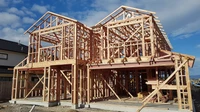
The rule protects the money meant for the work. If a kitchen addition is half framed when a windstorm tears through it, the payment for that loss is tied to the job, and the contractor who is under contract to finish it is on the check.
Who it can affect
- Homeowners in the middle of a remodel. An addition, a roof replacement, a basement finish, or a major repair with a general contractor still under contract.
- Owners building a new house. A loss before the job is complete can bring the builder's name onto the payment.
- Owners of other structures. The statute covers "dwellings or other structures," so rental houses and other buildings with open contracts fit the same pattern.
The law also says the contractor goes on the draft even when the work already done, or still to be done, is less than $25,000. A smaller job does not take the contract out of the rule.
What to do if your claim check names your contractor
- Do not panic. A two-party check is not a denial and not a sign that the claim is in trouble. Read the settlement letter to see what the payment covers.
- Sit down with the contractor. Agree in writing on how the money will be applied to the work under the contract and any repairs the loss added.
- Keep paper on everything. Invoices, change orders, and receipts make it easier to show the money went to the job. Asking the contractor for a lien waiver as payments are made is a common safeguard.
- Check for other payees. Your declarations page shows who else is listed on the policy. See TDCI glossary: what your insurance declarations page shows.
- Ask questions early. If you are unsure why a name is on the check, call the adjuster before you endorse it.
If the loss is bigger than the contract
A storm can damage more than the part of the house under construction. If the claim covers both the contract work and separate damage, ask the adjuster to break out the amounts so everyone knows what the payment is for. For how claims are generally handled, read How to File a Home Insurance Claim in Tennessee: A Step-by-Step Guide for 2026 and TDCI explains Actual Cash Value versus Replacement Cost for Tennessee homeowners.
Watch out for door-to-door roofers
The statute refers to the general contractor of an uncompleted construction or building contract; it does not state that the contract must predate the loss. It is not a reason to sign with someone who knocks on the door after a storm. Tennessee has a separate rule on roofing contracts tied to claims: Tennessee homeowners can cancel a roofing contract within three business days after their insurer says the claim is not covered.
If you think a claim was underpaid, start here: Storm Claim Underpaid in Tennessee? Your Next Steps and TDCI’s glossary says public insurance adjusters in Tennessee must be licensed by the state. For larger structural claims, see Tennessee insurers must give homeowners a written statement of their rights on structural damage claims of $20,000 or more.
This article is informational only. It summarizes Tennessee Code § 56-7-111 and is not legal advice. It does not promise coverage or any claim result; your policy and your insurer's claim decision control.
Related reading from All Seasons
- How to File a Home Insurance Claim in Tennessee: A Step-by-Step Guide for 2026
- TDCI explains Actual Cash Value versus Replacement Cost for Tennessee homeowners.
- Tennessee homeowners can cancel a roofing contract within three business days after their insurer says the claim is not covered.
- Storm Claim Underpaid in Tennessee? Your Next Steps
- TDCI’s glossary says public insurance adjusters in Tennessee must be licensed by the state.
- Tennessee insurers must give homeowners a written statement of their rights on structural damage claims of $20,000 or more.
- TDCI glossary: what your insurance declarations page shows.
Free policy review
All Seasons Insurance Group offers a free personal policy review. Call 865-263-1400 or visit asigtn.com/get-a-quote/. This article is informational only and does not promise coverage or eligibility; your policy forms control. Seasons change. So should your coverage.
Why is my general contractor's name on my Tennessee home insurance claim check?
Tennessee Code 56-7-111 requires the insurer to name the general contractor of any uncompleted construction or building contract as a payee on the payment for an insured property loss over $1,000.
How big does the loss have to be?
The statute applies to insured property losses in excess of $1,000 that accrue to owners of dwellings or other structures.
Does it apply to small remodeling jobs?
Yes. The law says the general contractor is named as payee regardless of whether the work performed or still to be performed is less than $25,000.
What kinds of policies does this cover?
The statute refers to dwellings or other structures insured under policies of property or casualty insurance.
What if the construction job was already finished?
The statute is written around an uncompleted construction or building contract. Ask your adjuster how it applies to your claim.
Does a two-party check mean my claim was denied?
No. It means the payment names more than one payee. Read the settlement letter to see what the payment covers and talk with your contractor about how it will be applied.
Should I sign a new contract with a roofer who shows up after a storm?
This law concerns the general contractor of an uncompleted construction or building contract. Be careful with post-storm solicitations, and read Tennessee's roofing contract rules before signing anything.
How can All Seasons help after reading this?
Call 865-263-1400 or visit asigtn.com/get-a-quote/ for a free personal policy review. Informational only; no coverage promises. Seasons change. So should your coverage.